
We help you control your allergy
Environmental allergies
Environmental allergies affect millions worldwide, from sneezing fits triggered by pollen to itchy skin caused by dust mites. But what exactly are environmental allergies, what causes them, and more importantly, how can you manage them naturally?
What Are Environmental Allergies?
Environmental allergies are allergic reactions triggered by substances in your surroundings — both indoors and outdoors. Unlike food or drug allergies, these are caused by airborne or physical allergens like pollen, mold, dust mites, and pet dander.
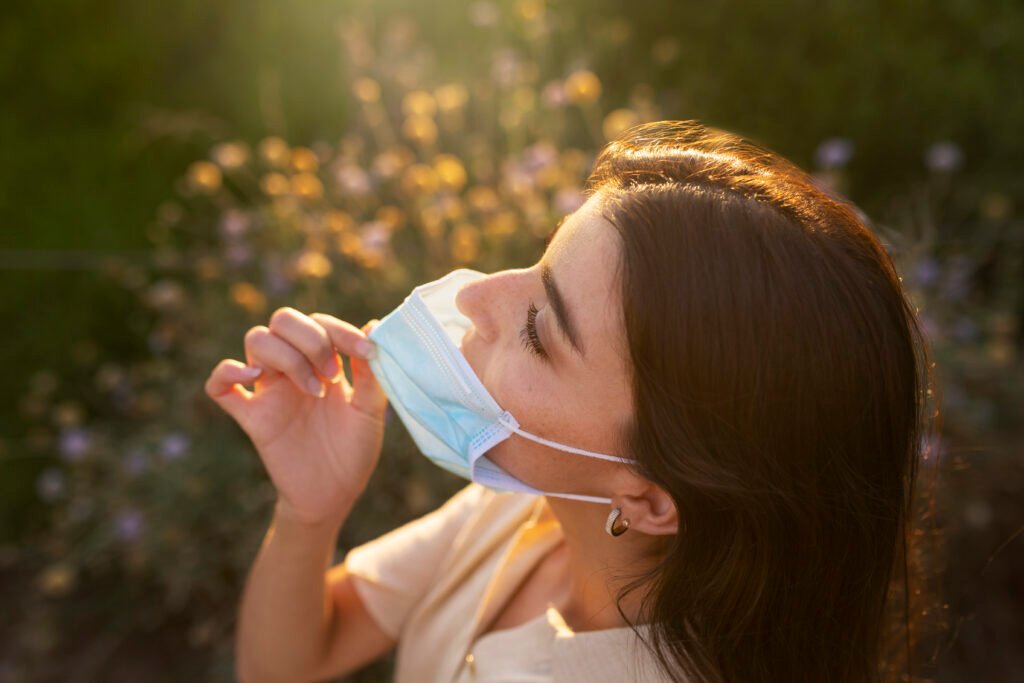
What Causes Environmental Allergies?
When your immune system misidentifies harmless particles as threats, it reacts with symptoms like sneezing, runny nose, itchy skin, or watery eyes. Genetics play a role, but environmental exposure is often the trigger.
Are Allergies Genetic or Environmental?
Allergies tend to run in families, so genetics matter. However, your environment (where you live, what you’re exposed to, how clean your indoor air is) significantly affects whether you’ll actually develop symptoms.
Common Environmental Allergies & Examples
To effectively treat your symptoms, you must identify the trigger. Based on search data, these are the most common environmental allergies:
- Pollen: Trees, grasses, and weeds (seasonal).
- Dust Mites: Microscopic organisms living in bedding and carpets (year-round).
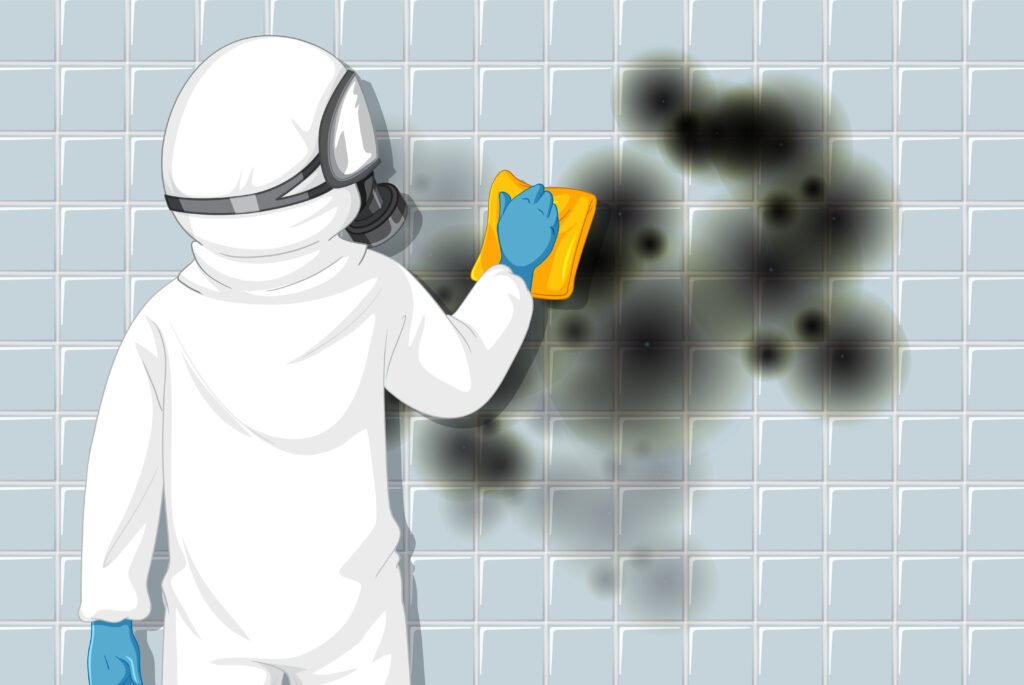
- Mold Spores: Thriving in damp areas like bathrooms or basements.
- Pet Dander: Proteins found in the skin cells, saliva, or urine of animals.
- Cockroaches: Droppings and saliva can be potent allergens.
Common Symptoms of Environmental Allergies
Symptoms of environmental allergies can manifest in the respiratory system or on the skin. Recognizing these signs early is key to relief.
Respiratory Symptoms
Runny or stuffy nose
Sneezing sequences
Itchy, watery, or red eyes
Coughing or wheezing (potentially triggering asthma)
Environmental Allergies Skin Rash
Can environmental allergies cause skin issues? Yes. Environmental allergies skin rash and itchy skin are very common.
Atopic Dermatitis (Eczema): Dry, red, and itchy patches often triggered by dust mites or pets.
Contact Dermatitis: A rash resulting from directly touching an allergen (like grass).
Hives: Raised, red welts on the skin.
Important Note: While rare, some users ask, “can environmental allergies cause anaphylaxis?”. Generally, environmental allergens cause uncomfortable but non-life-threatening reactions. However, they can trigger severe asthma attacks. Anaphylaxis is more commonly associated with food, medication, or insect stings.
How to Treat Environmental Allergies Naturally
If you’re looking for natural remedies for environmental allergies, here are a few effective, science-backed options:
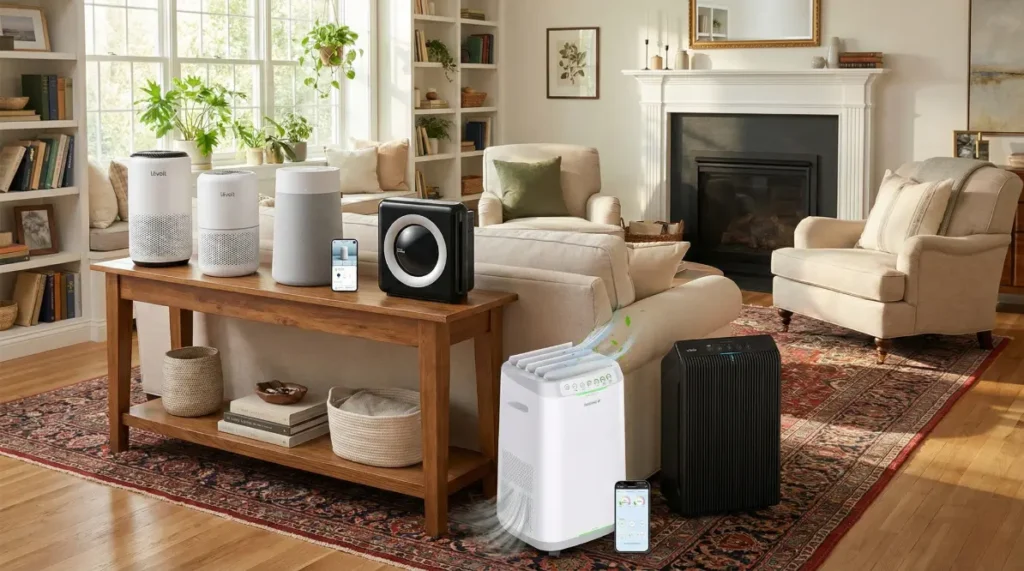
HEPA Air Purifiers – Trap allergens like pollen and dust
Hypoallergenic Bedding – Reduces dust mite exposure
Nasal Irrigation (Neti Pot) – Flushes out allergens
Natural Antihistamines (e.g. quercetin, vitamin C)
Essential Oils (like eucalyptus or peppermint)
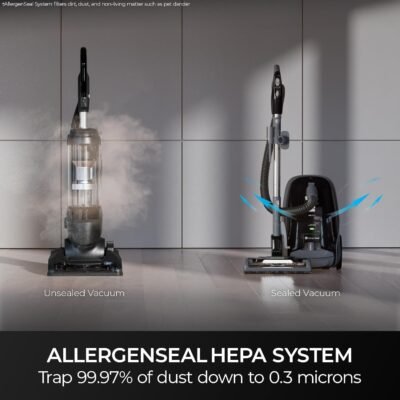
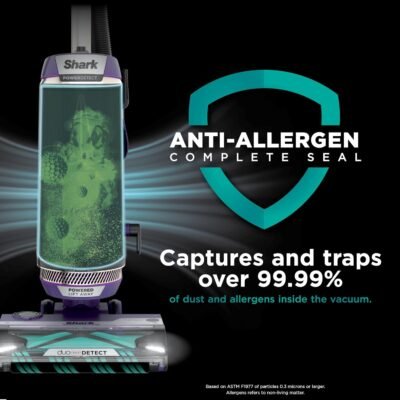
HEPA Vacuum Cleaners – Limit buildup of indoor allergens
What You’ll Learn on This Page
Recommended Products for Environmental Allergies
These are our top picks for the best tools and remedies to manage environmental allergies naturally and effectively:

- Allergy control productsallergy products for homePet allergy productsSticksUpright vacuumsVacuums for Allergy
Kenmore DS4095: Brushless Cordless Stick Vacuum
Kenmore BC3006 400 Series: Lightweight Pet Friendly Bagged Canister Vacuum
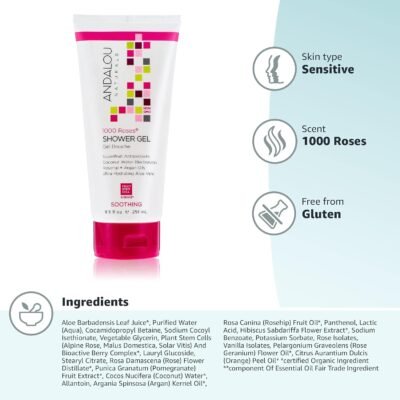
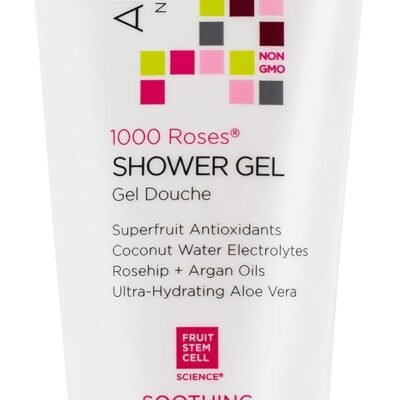
Andalou Naturals 1000 Roses Soothing Shower
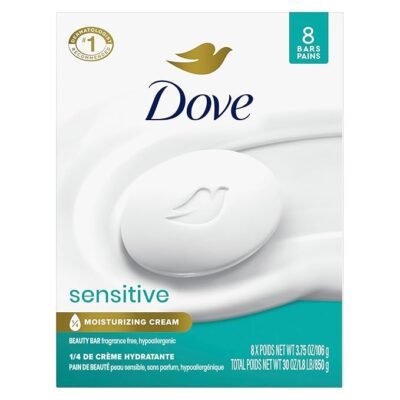
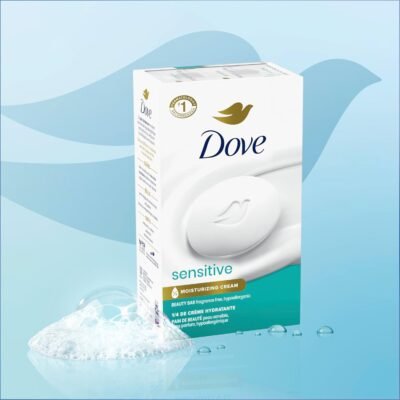
Dove Beauty Bar Soap Sensitive, 8 Bars
Sukin Botanical Body Wash (Bergamot & Patchouli)
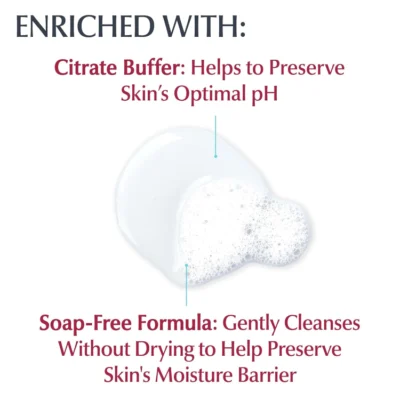
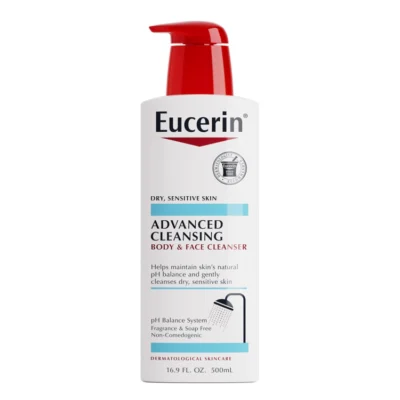
Eucerin Advanced Cleanser (Face & Body) – 16.9 fl oz / 500 ml
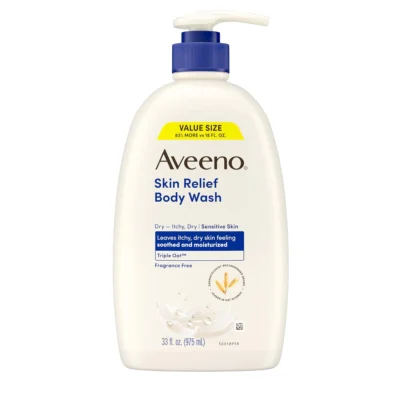
Aveeno Skin Relief Fragrance-Free Body Wash (Triple Oat Formula) – 33 fl oz / 975 ml
CeraVe SA Body Wash (Salicylic Acid) – Fragrance Free – 10 oz / 296 ml
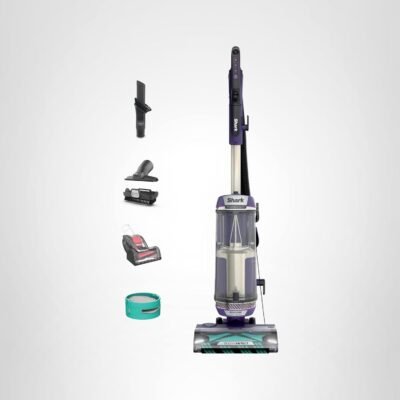
Shark POWERDETECT Upright Vacuum Cleaner with HEPA Filter








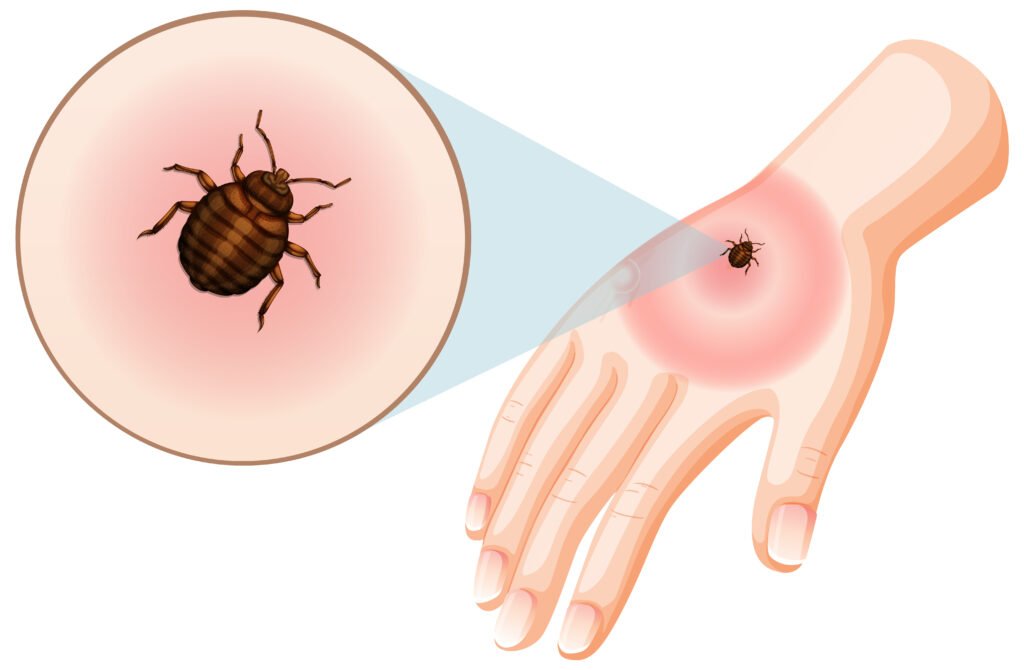
All Types of Skin allergies
To treat your skin correctly, you must identify which type of allergy you are experiencing.
Related Blog Articles
Looking to dive deeper into environmental allergies? Check out these helpful blog posts:
- No Comments
- AllergyInControl
Frequently Asked Questions (FAQ)
How to test for environmental allergies?
You can opt for skin prick tests, blood tests (IgE), or at-home test kits that screen for the most common environmental allergens.
Can environmental allergies cause anaphylaxis?
Typically, environmental allergies don’t cause anaphylaxis. However, severe asthma attacks triggered by allergens can become life-threatening.
Are food allergies genetic or environmental?
Both. Genetics predispose you, but environmental factors often trigger onset or severity.
What does environmental allergies mean?
It refers to allergic reactions caused by airborne or contact allergens found in the environment (indoors and outdoors).
Can environmental allergies cause itchy skin?
Yes. Allergens like mold, pet dander, or dust mites can trigger skin rashes, eczema, or hives in sensitive individuals.
Can environmental allergies cause fatigue
Yes. The immune response uses energy, and nasal congestion often disrupts sleep quality, leading to “brain fog” and tiredness.
Do pets get environmental allergies?
Absolutely. Search data shows high interest in environmental allergies in dogs. If your pet is scratching excessively or chewing their paws, they may be reacting to the same pollen or dust that you are.
What is the best way to prevent environmental allergies?
Avoidance is key. Keep windows closed during high pollen seasons, shower before bed to remove allergens from your hair, and maintain a clean, dust-free home environment.