Environmental allergies affect millions worldwide, from sneezing fits triggered by pollen to itchy skin caused by dust mites. But what exactly are environmental allergies, what causes them, and more importantly, how can you manage them naturally?
What You’ll Learn on This Page
What Are Environmental Allergies?
Environmental allergies are allergic reactions triggered by substances in your surroundings — both indoors and outdoors. Unlike food or drug allergies, these are caused by airborne or physical allergens like pollen, mold, dust mites, and pet dander.
What Causes Environmental Allergies?
When your immune system misidentifies harmless particles as threats, it reacts with symptoms like sneezing, runny nose, itchy skin, or watery eyes. Genetics play a role, but environmental exposure is often the trigger.
Are Allergies Genetic or Environmental?
Allergies tend to run in families, so genetics matter. However, your environment (where you live, what you’re exposed to, how clean your indoor air is) significantly affects whether you’ll actually develop symptoms.
Common Environmental Allergies & Examples
To effectively treat your symptoms, you must identify the trigger. Based on search data, these are the most common environmental allergies:
Pollen: Trees, grasses, and weeds (seasonal).
Dust Mites: Microscopic organisms living in bedding and carpets (year-round).
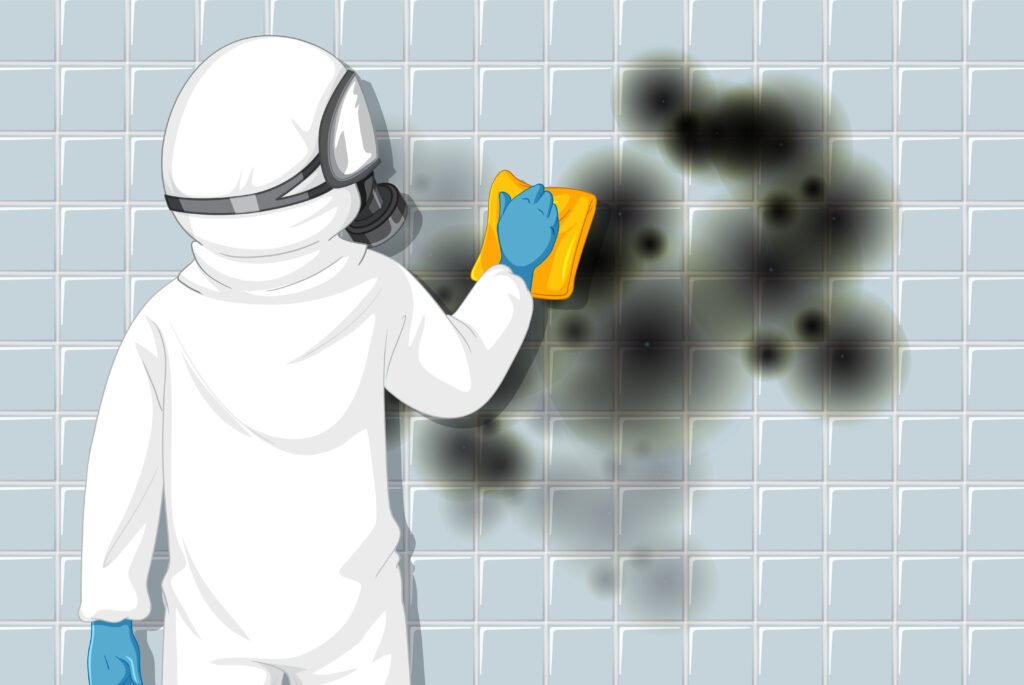
Mold Spores: Thriving in damp areas like bathrooms or basements.
Pet Dander: Proteins found in the skin cells, saliva, or urine of animals.
Cockroaches: Droppings and saliva can be potent allergens.
Common Symptoms of Environmental Allergies
Symptoms of environmental allergies can manifest in the respiratory system or on the skin. Recognizing these signs early is key to relief.
Respiratory Symptoms
Runny or stuffy nose
Sneezing sequences
Itchy, watery, or red eyes
Coughing or wheezing (potentially triggering asthma)
Environmental Allergies Skin Rash
Can environmental allergies cause skin issues? Yes. Environmental allergies skin rashand itchy skin are very common.
Atopic Dermatitis (Eczema): Dry, red, and itchy patches often triggered by dust mites or pets.
Contact Dermatitis: A rash resulting from directly touching an allergen (like grass).
Hives: Raised, red welts on the skin.
Important Note: While rare, some users ask, “can environmental allergies cause anaphylaxis?”. Generally, environmental allergens cause uncomfortable but non-life-threatening reactions. However, they can trigger severe asthma attacks. Anaphylaxis is more commonly associated with food, medication, or insect stings.
How to Treat Environmental Allergies Naturally
If you’re looking for natural remedies for environmental allergies, here are a few effective, science-backed options:
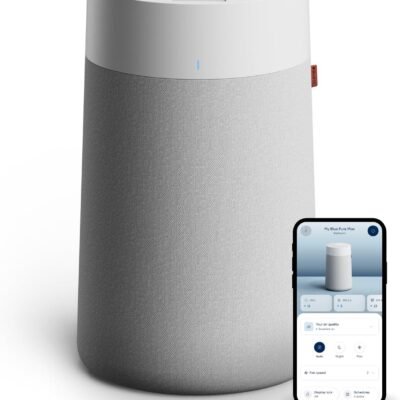
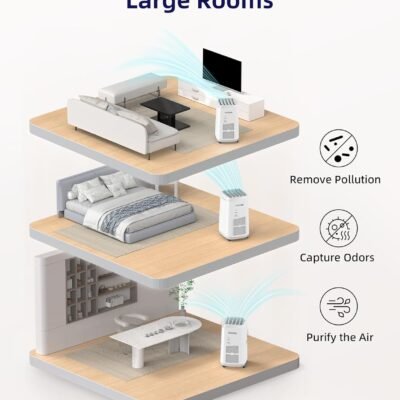
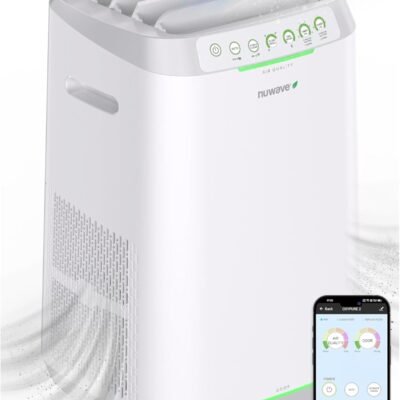
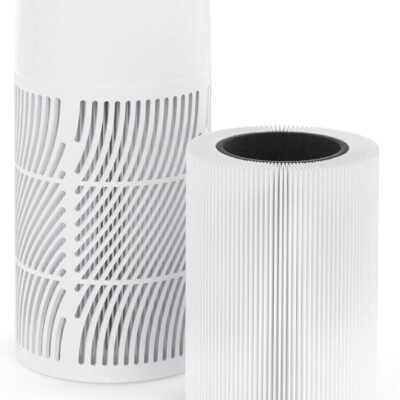
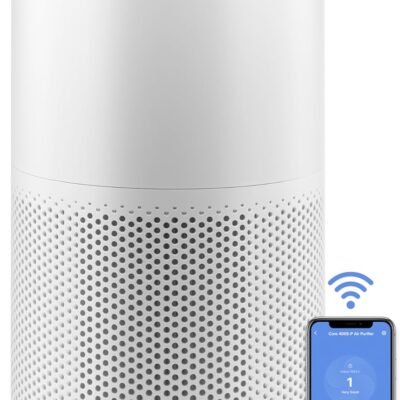
HEPA Air Purifiers – Trap allergens like pollen and dust
Both. Genetics predispose you, but environmental factors often trigger onset or severity.
What does environmental allergies mean?
It refers to allergic reactions caused by airborne or contact allergens found in the environment (indoors and outdoors).
Can environmental allergies cause itchy skin?
Yes. Allergens like mold, pet dander, or dust mites can trigger skin rashes, eczema, or hives in sensitive individuals.
Can environmental allergies cause fatigue
Yes. The immune response uses energy, and nasal congestion often disrupts sleep quality, leading to “brain fog” and tiredness.
Do pets get environmental allergies?
Absolutely. Search data shows high interest in environmental allergies in dogs. If your pet is scratching excessively or chewing their paws, they may be reacting to the same pollen or dust that you are.
What is the best way to prevent environmental allergies?
Avoidance is key. Keep windows closed during high pollen seasons, shower before bed to remove allergens from your hair, and maintain a clean, dust-free home environment.
Manage Consent
To provide the best experiences, we use technologies like cookies to store and/or access device information. Consenting to these technologies will allow us to process data such as browsing behavior or unique IDs on this site. Not consenting or withdrawing consent, may adversely affect certain features and functions.
Functional
Always active
The technical storage or access is strictly necessary for the legitimate purpose of enabling the use of a specific service explicitly requested by the subscriber or user, or for the sole purpose of carrying out the transmission of a communication over an electronic communications network.
Preferences
The technical storage or access is necessary for the legitimate purpose of storing preferences that are not requested by the subscriber or user.
Statistics
The technical storage or access that is used exclusively for statistical purposes.The technical storage or access that is used exclusively for anonymous statistical purposes. Without a subpoena, voluntary compliance on the part of your Internet Service Provider, or additional records from a third party, information stored or retrieved for this purpose alone cannot usually be used to identify you.
Marketing
The technical storage or access is required to create user profiles to send advertising, or to track the user on a website or across several websites for similar marketing purposes.