Swollen or constricted airways restrict airflow, producing wheezing especially during exhalation.
What Is Wheezing?
Wheezing is a high-pitched whistling sound that occurs when breathing, usually during exhalation. It happens when airflow moves through narrowed or inflamed airways, making breathing sound strained or tight.
In people with allergies, wheezing is a warning sign that the lower airways are involved and should never be ignored.
Why Do Allergies Cause Wheezing?
When allergens are inhaled, the immune system releases histamine and other inflammatory substances. These chemicals cause the muscles around the airways to tighten and the airway lining to swell.
This narrowing restricts airflow and creates the characteristic wheezing sound. In allergic individuals, this response can occur even with small amounts of allergens.
Common Allergies Associated With Wheezing
Wheezing is most commonly linked to airborne allergens, especially in people with sensitive lungs:
Pollen allergies
Dust mite allergies
Pet dander allergies
Mold allergies
Seasonal allergies (hay fever)
Perennial indoor allergies
Wheezing is also strongly associated with allergic asthma, where allergies trigger asthma-like symptoms.
Wheezing as a Sign of Allergic Asthma
In many cases, wheezing caused by allergies is a sign of allergic asthma, even if asthma has not been formally diagnosed.
Common accompanying symptoms include:
Shortness of breath
Chest tightness
Persistent coughing
Fatigue after mild exertion
If wheezing occurs repeatedly, an asthma evaluation is strongly recommended.
How to Recognize Allergic Wheezing
Allergic wheezing often:
Occurs shortly after allergen exposure
Worsens during allergy season
Improves when exposure is reduced
Returns repeatedly in the same situations
Unlike infections, allergic wheezing usually does not come with fever.
How Long Does Allergic Wheezing Last?
The duration varies depending on exposure and treatment:
Mild exposure may cause wheezing for minutes to hours
Ongoing exposure can cause persistent or recurring wheezing
Without treatment, symptoms may gradually worsen over time
Repeated untreated wheezing increases the risk of chronic airway inflammation.
When Is Wheezing a Medical Emergency?
Immediate medical attention is required if wheezing is accompanied by:
Severe shortness of breath
Blue lips or fingernails
Inability to speak full sentences
Chest pain
Rapid worsening of symptoms
These signs may indicate a severe allergic reaction or asthma attack.
Relief and Treatment Options for Allergic Wheezing
Allergen Avoidance
Reduce exposure to known triggers
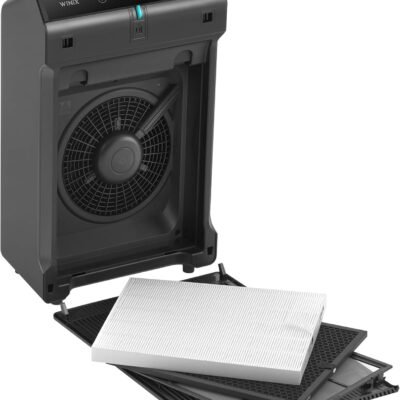
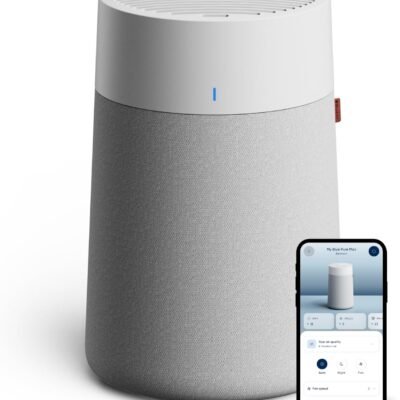
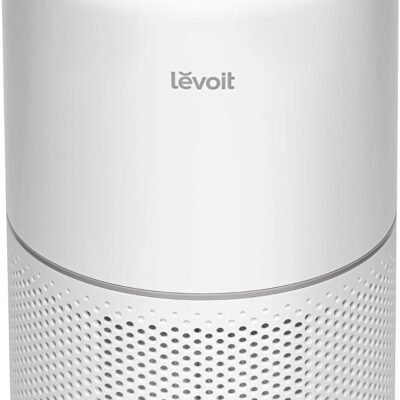
Use air purifiers with HEPA filters
Control indoor humidity to prevent mold
Medications
Bronchodilators (rescue inhalers)
Inhaled corticosteroids
Oral antihistamines
Leukotriene modifiers (doctor prescribed)
Environmental Control
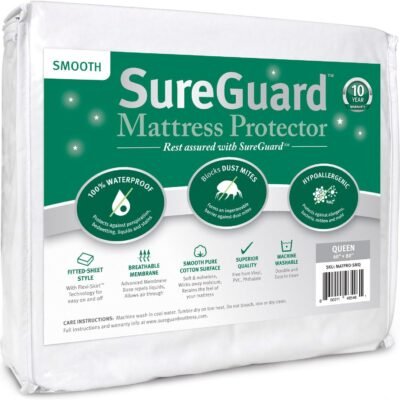
Wash bedding weekly in hot water
Keep pets out of sleeping areas
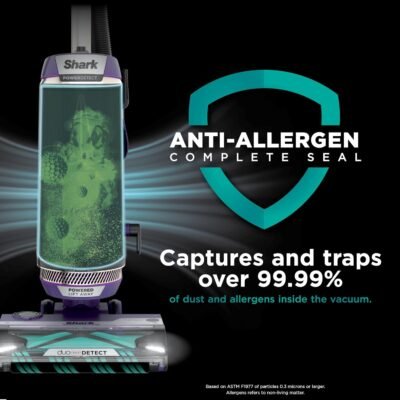
Minimize dust accumulation indoors
Medical Monitoring
Lung function testing
Allergy testing to identify triggers
Asthma action plans if wheezing is recurrent
Living With Wheezing Caused by Allergies
Wheezing can significantly impact quality of life, sleep, and physical activity. Even mild wheezing should be taken seriously, as it indicates airway involvement.
Early intervention, proper diagnosis, and consistent management can prevent worsening symptoms and long-term lung damage.
Carefully selected products that have helped thousands of people take control of their allergies. All recommendations are based on scientific research and real user experiences.
Join over 25,000 people who receive our weekly newsletter with the latest allergy research, product recommendations, and exclusive discounts on top-rated
Instant access to 50+ page comprehensive allergy guide
Weekly expert tips and product recommendations
Exclusive discounts and early access to new products
No spam, unsubscribe anytime. We respect your privacy.
Medical Disclaimer
We are not doctors, and this website does not provide medical advice. The information on this site is intended solely to help you understand what allergies are and explore potential approaches to managing them. This content should not be considered medical advice.If you have concerns about allergies or your health, please consult a qualified healthcare professional or specialist. Read more here.
Manage Consent
To provide the best experiences, we use technologies like cookies to store and/or access device information. Consenting to these technologies will allow us to process data such as browsing behavior or unique IDs on this site. Not consenting or withdrawing consent, may adversely affect certain features and functions.
Functional
Always active
The technical storage or access is strictly necessary for the legitimate purpose of enabling the use of a specific service explicitly requested by the subscriber or user, or for the sole purpose of carrying out the transmission of a communication over an electronic communications network.
Preferences
The technical storage or access is necessary for the legitimate purpose of storing preferences that are not requested by the subscriber or user.
Statistics
The technical storage or access that is used exclusively for statistical purposes.The technical storage or access that is used exclusively for anonymous statistical purposes. Without a subpoena, voluntary compliance on the part of your Internet Service Provider, or additional records from a third party, information stored or retrieved for this purpose alone cannot usually be used to identify you.
Marketing
The technical storage or access is required to create user profiles to send advertising, or to track the user on a website or across several websites for similar marketing purposes.