A rash is a common allergic symptom caused by immune system reactions in the skin. While most allergic rashes are mild, some may indicate a more serious reaction.
What Is a Rash?
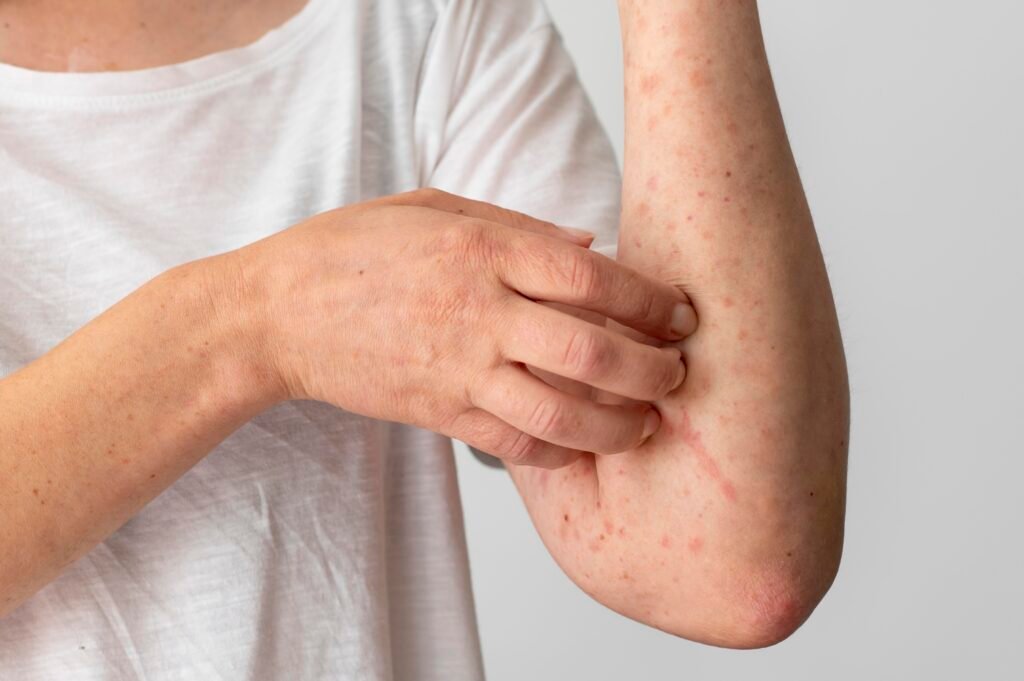
A rash is a visible change in the skin that may appear as redness, bumps, patches, or irritation. Allergic rashes are a common reaction of the immune system and can vary widely in appearance, severity, and duration.
In many cases, a rash is the body’s way of signaling contact with or exposure to an allergen.
Why Do Allergies Cause a Rash?
When the immune system reacts to an allergen, it releases histamine and other inflammatory substances. These chemicals increase blood flow to the skin and cause irritation, leading to redness, swelling, itching, or bumps.
Unlike infections, allergic rashes are not caused by bacteria or viruses and are not contagious.
Common Allergies Associated With Rashes
Allergic rashes can be triggered by several types of allergies, including:
Environmental allergies (less common, but possible)
The trigger may come from ingestion, direct skin contact, or systemic exposure.
What Does an Allergic Rash Look Like?
Allergic rashes can appear differently from person to person, but common characteristics include:
Red or pink patches on the skin
Small bumps or raised areas
Itching or burning sensation
Swelling in the affected area
Rash appearing suddenly after exposure
Some rashes stay localized, while others may spread over larger areas of the body.
Rash vs. Hives or Eczema
Not all skin reactions are the same:
Rash: General term for skin irritation or inflammation
Hives (urticaria): Raised, itchy welts that often move or change shape
Eczema: Chronic condition with dry, cracked, inflamed skin
Understanding the type of skin reaction can help determine the underlying cause and best treatment.
How Long Does an Allergic Rash Last?
The duration depends on the trigger and treatment:
Mild rashes may fade within hours to days
Continued exposure can cause rashes to persist or worsen
Once the allergen is removed, healing usually begins quickly
Scratching or ongoing irritation can delay recovery.
When Is a Rash a Sign of a More Serious Reaction?
Medical attention should be considered if a rash:
Spreads rapidly or covers large areas of the body
Is accompanied by fever or pain
Occurs with swelling of the face, lips, or throat
Appears together with breathing problems or dizziness
In rare cases, a rash may be part of a severe allergic reaction.
Relief and Treatment Options for Allergic Rashes
Avoidance
Identify and avoid known triggers
Stop using suspected products immediately
Wear protective gloves or clothing if needed
Skin Care
Use gentle, fragrance-free cleansers
Apply soothing or moisturizing creams
Avoid hot showers that can worsen irritation
Medications
Oral antihistamines to reduce itching
Topical corticosteroid creams
Prescription treatments for persistent rashes
Environmental Control
Wash clothing and bedding after exposure
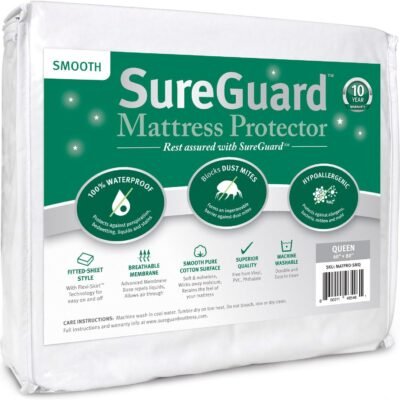
Use hypoallergenic products at home
Living With Allergy-Related Rashes
Recurring rashes can be uncomfortable and frustrating, especially when the trigger is unclear. Keeping track of exposures, products, and foods can help identify patterns.
Early treatment and consistent skin care often prevent mild rashes from becoming chronic problems.
Carefully selected products that have helped thousands of people take control of their allergies. All recommendations are based on scientific research and real user experiences.
Join over 25,000 people who receive our weekly newsletter with the latest allergy research, product recommendations, and exclusive discounts on top-rated
Instant access to 50+ page comprehensive allergy guide
Weekly expert tips and product recommendations
Exclusive discounts and early access to new products
No spam, unsubscribe anytime. We respect your privacy.
Medical Disclaimer
We are not doctors, and this website does not provide medical advice. The information on this site is intended solely to help you understand what allergies are and explore potential approaches to managing them. This content should not be considered medical advice.If you have concerns about allergies or your health, please consult a qualified healthcare professional or specialist. Read more here.
Manage Consent
To provide the best experiences, we use technologies like cookies to store and/or access device information. Consenting to these technologies will allow us to process data such as browsing behavior or unique IDs on this site. Not consenting or withdrawing consent, may adversely affect certain features and functions.
Functional
Always active
The technical storage or access is strictly necessary for the legitimate purpose of enabling the use of a specific service explicitly requested by the subscriber or user, or for the sole purpose of carrying out the transmission of a communication over an electronic communications network.
Preferences
The technical storage or access is necessary for the legitimate purpose of storing preferences that are not requested by the subscriber or user.
Statistics
The technical storage or access that is used exclusively for statistical purposes.The technical storage or access that is used exclusively for anonymous statistical purposes. Without a subpoena, voluntary compliance on the part of your Internet Service Provider, or additional records from a third party, information stored or retrieved for this purpose alone cannot usually be used to identify you.
Marketing
The technical storage or access is required to create user profiles to send advertising, or to track the user on a website or across several websites for similar marketing purposes.