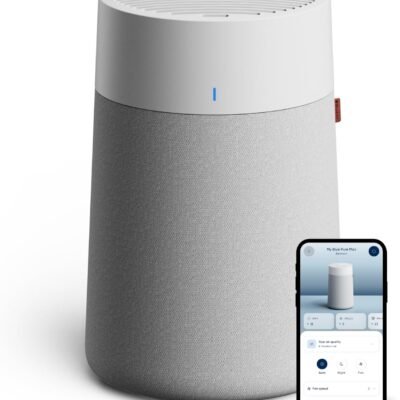
The short answer is yes, but they are not a magic cure on their own. According to the U.S. Environmental Protection Agency (EPA), air filtration can be an effective tool, but it works best when used as a supplement to proper ventilation and removing the source of the allergy.
What Science Says
If you find yourself sneezing, dealing with a stuffy nose, or rubbing itchy eyes inside your own home, you have probably asked yourself: do air purifiers actually help with allergies?
The short answer is yes, but they are not a magic cure on their own. According to the U.S. Environmental Protection Agency (EPA), air filtration can be an effective tool, but it works best when used as a supplement to proper ventilation and removing the source of the allergy.
How Air Purifiers Fight Allergies
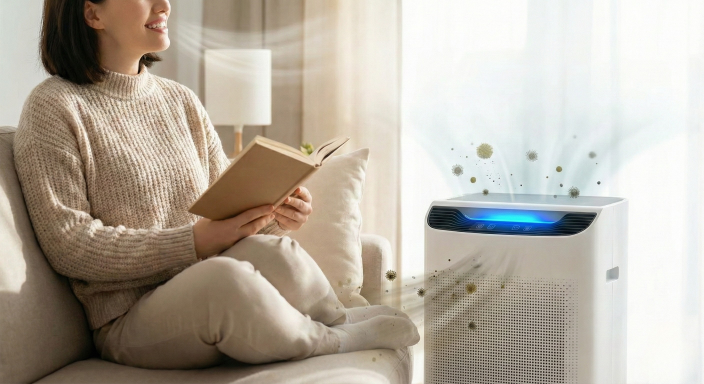
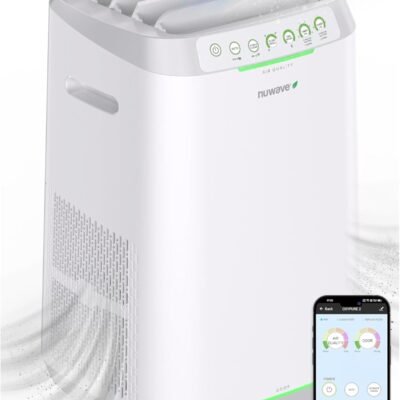
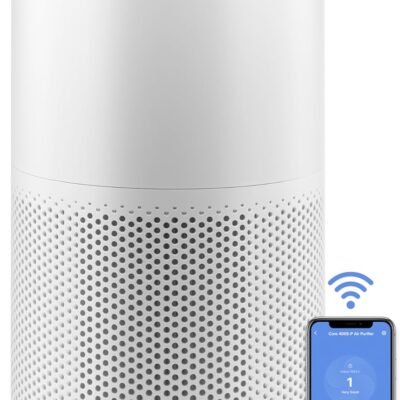
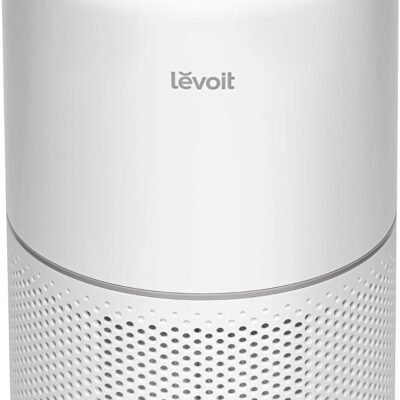
Think of an air purifier as a vacuum cleaner for the air. These devices suck air in and push it through a filter to trap tiny floating particles.
For people with allergies, this is helpful because many triggers float in the air. Air purifiers are designed to filter out pollutants like pollen, dust mites, and pet dander. Most effective cleaners use a HEPA filter, which stands for High-Efficiency Particulate Air filter.
Do They Reduce Symptoms?
It is easy for companies to say their products work, but scientific research provides the real proof.
Proof for Dust Mite Allergies
A study published in the Asian Pacific Journal of Allergy and Immunology tested HEPA air purifiers in the bedrooms of patients with allergic rhinitis. The researchers found that after using the filters, the levels of dust mite allergens in the air dropped significantly. Even more importantly, the patients reported that their nasal symptoms and sleep problems improved.
What They Cannot Do
While air purifiers are helpful, the EPA warns that they cannot remove all pollutants from your home.
They don’t fix the source: An air purifier can trap mold spores, but it cannot fix the moisture problem causing the mold to grow. You have to fix the leak first.
They don’t catch everything: Heavy particles, like some dust mite allergens, often fall onto furniture or the floor where the air purifier cannot reach them.
They are a team player: Filtration should be used alongside other steps, like keeping your home clean and letting in fresh air when possible.
How to Buy the Right One Air Purifier
To get the results seen in these studies, you need to pick the right machine. The EPA suggests looking for these key features:
1. Check the CADR Rating
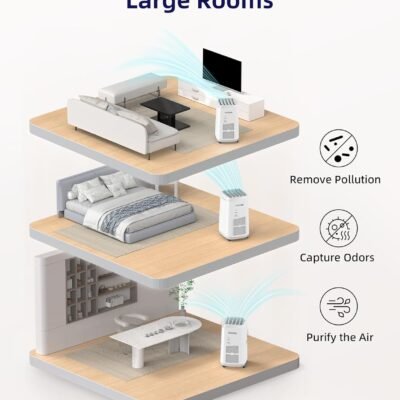
CADR stands for Clean Air Delivery Rate. This number tells you how fast the machine cleans the air. According to the EPA, the higher the CADR, the more particles it filters and the larger the room it can clean. Make sure the CADR is high enough for your room size.
2. Look for HEPA
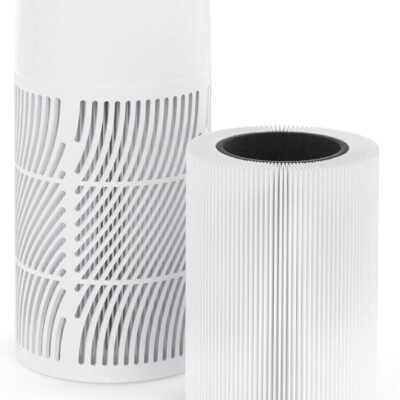
Make sure the box says it uses a HEPA filter. These are the standard for removing fine particles.
3. Avoid Ozone
Be careful not to buy a device that creates ozone. The EPA warns that ozone is a lung irritant and can actually make your health worse.
Quick Tips for Success
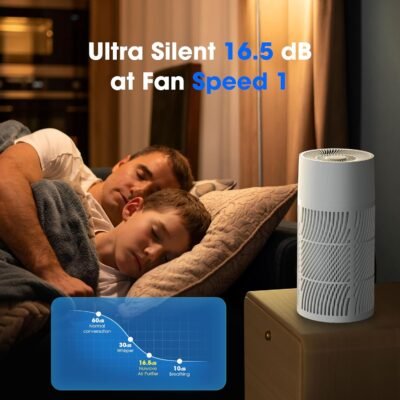
Location matters: Put the unit in the room where you spend the most time, which is usually the bedroom.
Keep it running: Running the fan at a higher speed and for longer periods increases the amount of air that gets cleaned.
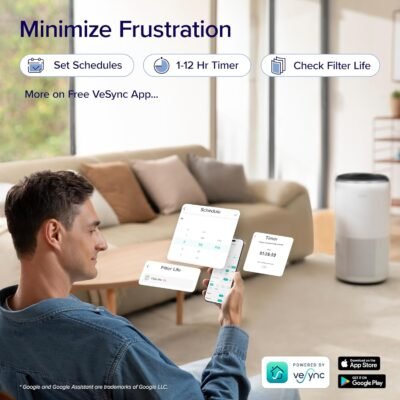
Change the filter: A dirty filter does not work well. You must replace them regularly.
Our newsletter helps you understand your body, your triggers, and what actually works. From natural remedies to the latest research every edition gives you tools to breathe, sleep, and live better.
Simple tips to ease your allergies
Expert advice you can trust
New articles straight to your inbox
No spam, unsubscribe anytime. We respect your privacy.
Medical Disclaimer
We are not doctors, and this website does not provide medical advice. The information on this site is intended solely to help you understand what allergies are and explore potential approaches to managing them. This content should not be considered medical advice.If you have concerns about allergies or your health, please consult a qualified healthcare professional or specialist. Read more here.
Manage Consent
To provide the best experiences, we use technologies like cookies to store and/or access device information. Consenting to these technologies will allow us to process data such as browsing behavior or unique IDs on this site. Not consenting or withdrawing consent, may adversely affect certain features and functions.
Functional
Always active
The technical storage or access is strictly necessary for the legitimate purpose of enabling the use of a specific service explicitly requested by the subscriber or user, or for the sole purpose of carrying out the transmission of a communication over an electronic communications network.
Preferences
The technical storage or access is necessary for the legitimate purpose of storing preferences that are not requested by the subscriber or user.
Statistics
The technical storage or access that is used exclusively for statistical purposes.The technical storage or access that is used exclusively for anonymous statistical purposes. Without a subpoena, voluntary compliance on the part of your Internet Service Provider, or additional records from a third party, information stored or retrieved for this purpose alone cannot usually be used to identify you.
Marketing
The technical storage or access is required to create user profiles to send advertising, or to track the user on a website or across several websites for similar marketing purposes.