A pine pollen allergy can cause uncomfortable seasonal symptoms such as sneezing, itchy eyes and nasal congestion. Although pine pollen is often considered less allergenic than other tree pollens, it can still trigger reactions in sensitive individuals, especially during peak pollen season.
Pine Pollen Allergy what is it?
A pine tree pollen allergy occurs when the immune system overreacts to pollen released by pine trees. The body mistakenly identifies pine pollen as harmful and releases histamine, which leads to typical allergy symptoms. While this allergy is considered relatively rare, it does affect some people, particularly those who already have seasonal allergies.
Pine pollen originates from pine trees and becomes airborne during pollen season.
What is pine pollen?
Pine pollen is a fine, powdery substance produced by pine trees as part of their reproductive cycle. Male pine cones release pollen into the air, where it is carried by the wind to fertilize female cones. Because pine trees rely on wind pollination, they produce large quantities of pollen.
What does pine pollen look like?
Pine pollen is usually yellow to yellow-green and has a dry, dusty appearance. During peak season, it often forms visible layers on cars, windowsills, garden furniture and outdoor surfaces. This visible pollen often leads people to assume it is highly allergenic, although visibility does not always equal allergenic strength.
Pine pollen allergy symptoms
Symptoms of a pine pollen allergy are similar to other pollen allergies and may vary in severity. Common signs include:
Sneezing and a runny or blocked nose
Itchy, watery or red eyes
Nasal congestion or postnasal drip
Scratchy throat or coughing
Fatigue during pollen season
In some cases, people may experience skin reactions, such as mild rashes or itching after direct contact with pollen. Pine tree allergy skin rashes are less common but can occur in sensitive individuals.
Pine pollen allergy treatment
Treatment focuses on symptom management rather than curing the allergy. Common approaches include:
Antihistamines to reduce sneezing and itching
Nasal sprays to relieve congestion
Eye drops for irritated eyes
For persistent or severe symptoms, a healthcare professional may recommend additional options. Treatment plans should always be tailored to individual needs.
Pine pollen allergy relief
Practical relief often comes from reducing exposure and supporting the body during pollen season:
Keep windows closed on high pollen days
Shower and change clothes after spending time outdoors
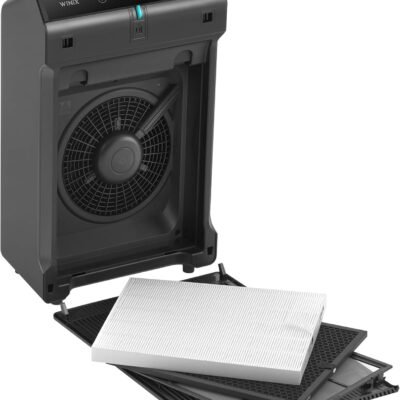
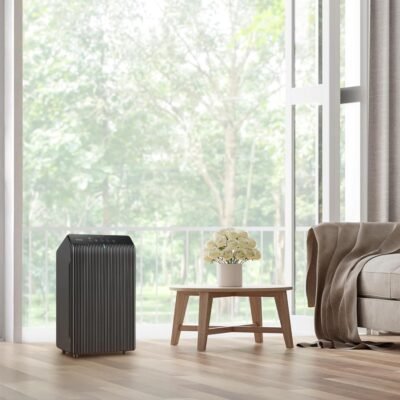
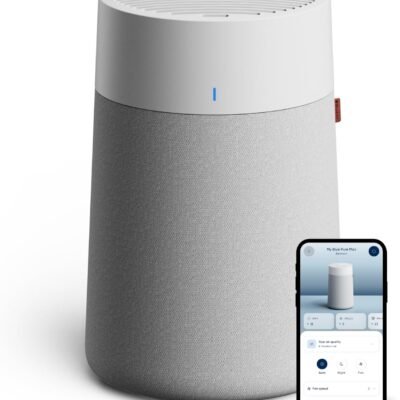
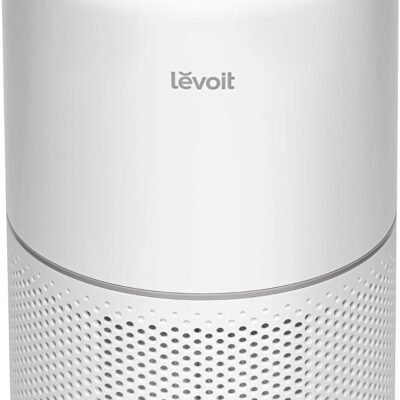
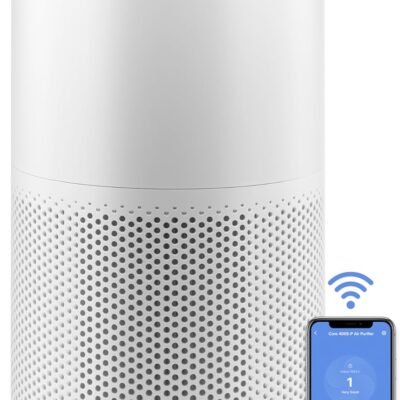
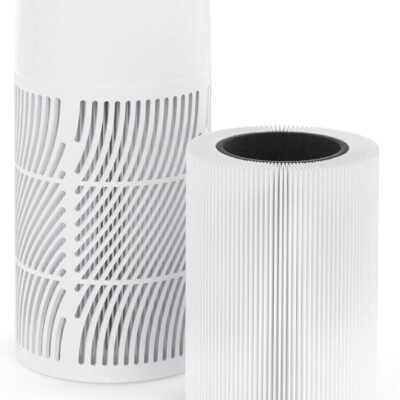
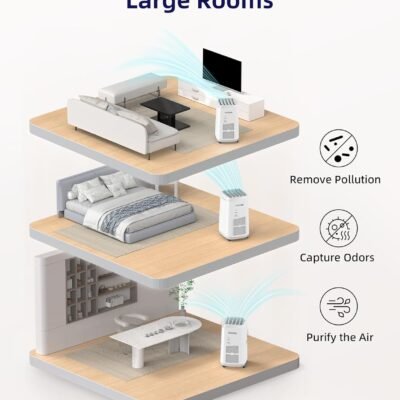
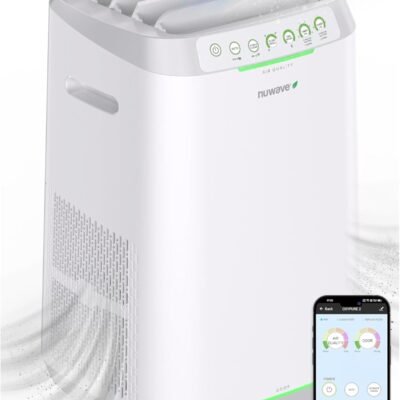
Use air purifiers indoors
Rinse nasal passages with saline solutions
Products designed to reduce indoor pollen or support daily comfort can be helpful, but they should be seen as supportive tools rather than cures.
Pine pollen season typically occurs in spring to early summer, though timing varies by region and climate. Pine trees release pollen when temperatures rise and days become longer.
Many people ask: when do pine trees release pollen? In most areas, this happens between March and June, but local weather conditions play a major role.
When does birch pollen start? Usually between March and April, once temperatures rise.
How long does the season last? On average, four to eight weeks, although warm and dry weather can extend exposure.
How long does pine pollen season last
The pine pollen season usually lasts several weeks, sometimes extending to a few months. Questions such as how long does pine pollen last or when does pine pollen end depend on regional climate patterns. Heavy rain can temporarily reduce airborne pollen, while dry, windy conditions may prolong exposure.
Is pine pollen allergy rare?
Compared to birch or grass pollen allergies, pine pollen allergy is considered less common. However, people with existing pollen sensitivities may still react, and cross-reactivity with other tree pollens can play a role.
Pine allergy cross reactivity
Some individuals experience symptoms not only from pine pollen but also from related tree pollens. This phenomenon, known as cross-reactivity, occurs when the immune system reacts to similar proteins found in different pollens. As a result, symptoms may overlap with other tree pollen allergies.
Related Articles & Advice
Read more from our expert blog to keep your allergies in control.
Pine pollen is usually yellow or yellow-green. During peak season, it often forms visible layers on outdoor surfaces.
Does pollen from pine trees cause allergies?
Yes, pine pollen can cause allergic reactions in some people, although it is generally considered less allergenic than other tree pollens.
What tree pollen is worst for allergies?
Birch, oak and grass pollens are commonly associated with stronger allergic reactions, but sensitivity varies from person to person.
What are the symptoms of being allergic to pollen?
Common symptoms include sneezing, itchy eyes, nasal congestion, runny nose and fatigue during pollen season.
What foods worsen pollen allergies?
Some people experience worse symptoms after eating certain raw fruits or vegetables due to pollen-food cross-reactivity, especially during allergy season.
Manage Consent
To provide the best experiences, we use technologies like cookies to store and/or access device information. Consenting to these technologies will allow us to process data such as browsing behavior or unique IDs on this site. Not consenting or withdrawing consent, may adversely affect certain features and functions.
Functional
Always active
The technical storage or access is strictly necessary for the legitimate purpose of enabling the use of a specific service explicitly requested by the subscriber or user, or for the sole purpose of carrying out the transmission of a communication over an electronic communications network.
Preferences
The technical storage or access is necessary for the legitimate purpose of storing preferences that are not requested by the subscriber or user.
Statistics
The technical storage or access that is used exclusively for statistical purposes.The technical storage or access that is used exclusively for anonymous statistical purposes. Without a subpoena, voluntary compliance on the part of your Internet Service Provider, or additional records from a third party, information stored or retrieved for this purpose alone cannot usually be used to identify you.
Marketing
The technical storage or access is required to create user profiles to send advertising, or to track the user on a website or across several websites for similar marketing purposes.