What is birch pollen allergy?
A Birch Pollen Allergy occurs when the immune system reacts to birch pollen as if it were harmful. As a result, the body releases histamine, which leads to typical allergic responses. This condition is also commonly referred to as an allergy to birch pollen or birch pollen sensitivity.
What is birch pollen?
Birch pollen is a fine powder released by birch trees as part of their natural reproduction process. Because it is spread by wind, pollen can travel long distances and affect people even when birch trees are not nearby.
How does birch pollen look?
Individual pollen grains are microscopic and invisible to the naked eye. However, during peak pollen season, birch pollen may appear as a light yellow or greenish dust on cars, windows or outdoor surfaces. Due to its small size, it easily enters the nose, eyes and airways.
Common symptoms during birch pollen season
Reactions usually appear when pollen levels are high and may vary from person to person. Common responses include nasal irritation, watery eyes and general discomfort during outdoor exposure.
Sneezing and a runny or blocked nose
Itchy, red or watery eyes
Itching in the throat or ears
Fatigue or difficulty concentrating
Some people also experience symptoms after eating certain raw fruits, vegetables or nuts due to cross-reactivity.
Skin reactions and rashes
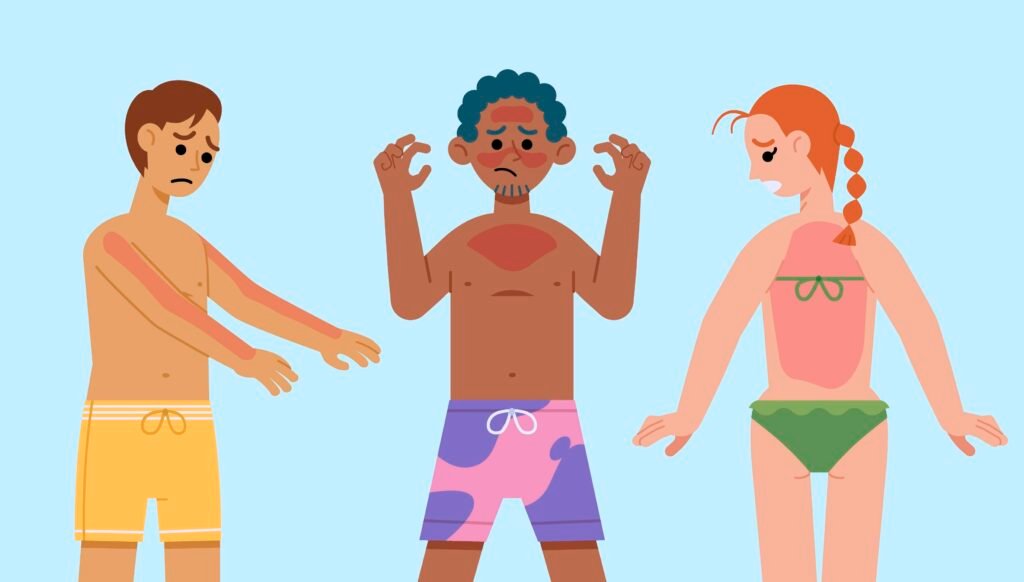
In some cases, pollen exposure can trigger mild skin reactions. These may include redness, itching or a temporary rash, particularly in people with sensitive skin or existing skin conditions. Such reactions are usually linked to direct or prolonged exposure.
Birch pollen season: timing and duration
The birch pollen season typically begins in early to mid-spring. However, the exact timing depends on regional climate and weather conditions.
When does birch pollen start?
Usually between March and April, once temperatures rise.
How long does the season last?
On average, four to eight weeks, although warm and dry weather can extend exposure.
Birch trees and pollen exposure
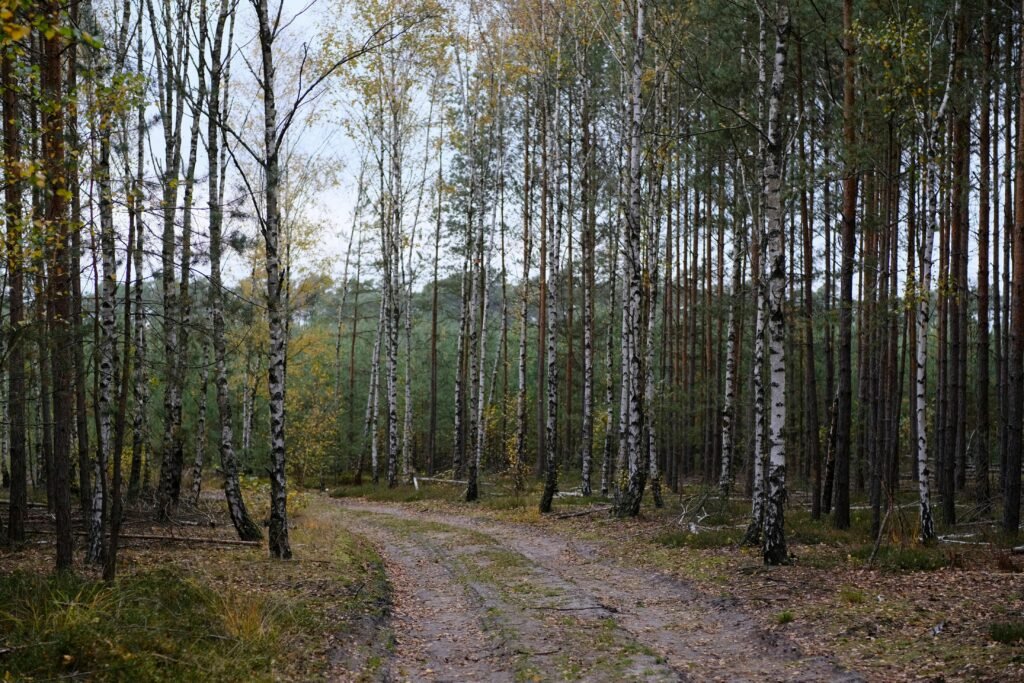
Birch pollen originates from various birch species, including the silver birch. These trees are widespread across Europe and North America and grow in forests, parks and urban environments. Because the pollen is airborne, it can spread far beyond the immediate area.
General information about pollen exposure and seasonal allergies is supported by public health and allergy research organizations.
Food-related cross-reactivity
Many people with sensitivity to birch pollen also notice reactions to certain foods. This happens due to similarities between pollen proteins and proteins found in some fruits, vegetables and nuts.
Oral allergy syndrome and birch pollen
Oral allergy syndrome occurs when the immune system reacts to these similar proteins. Symptoms are usually mild and limited to the mouth and throat, such as itching or tingling after eating raw foods.
Birch pollen allergy foods and fruits
Common foods linked to birch pollen oral allergy include:
- Apples, pears and cherries
- Peaches, plums and apricots
- Carrots and celery
- Hazelnuts
This is often referred to as a birch pollen food allergy.
Fruits and foods linked to cross-reactivity
Not everyone reacts to the same foods. Raw forms usually cause more symptoms than cooked ones. Keeping a personal food diary can help identify triggers.
Soy and cucumber reactions
SSome individuals experience mild reactions to soy products or cucumber. A known example is birch pollen cucumber oral allergy syndrome, where symptoms occur shortly after eating raw cucumber. syndrome, where mild mouth or throat symptoms occur after eating raw cucumber.
Birch pollen oral allergy list
Because reactions differ between individuals, a healthcare professional can help identify which foods are relevant in each case.
Managing daily life during pollen season
Although there is no single cure, many people successfully reduce discomfort through practical strategies. These include limiting outdoor exposure on high pollen days, changing clothes after being outside and using supportive treatments when needed.
In addition, staying informed about pollen forecasts can help people plan daily activities more comfortably.
Common approaches include:
Reducing exposure during high pollen days
Using antihistamines or nasal sprays when needed
Wearing sunglasses outdoors to protect the eyes
Showering and changing clothes after being outside
In some cases, allergen immunotherapy may be discussed with a specialist.