
We help you control your allergy
Pollen Allergies
They occur when the immune system overreacts to pollen in the air, causing symptoms such as sneezing, itchy eyes and nasal congestion. Understanding your triggers and taking the right preventive steps can significantly reduce daily discomfort.
What Are pollen allergies?
Pollen allergies are an immune response to microscopic pollen grains released by trees, grasses and weeds. In sensitive individuals, the body mistakenly identifies pollen as harmful, triggering the release of histamine and other inflammatory substances.
This condition is often referred to as hay fever or seasonal allergic rhinitis, and it tends to flare up during specific times of the year when pollen levels are high.
Which types of pollen cause symptoms?
Not all pollen types appear at the same time. Therefore, symptoms may vary throughout the year depending on which plants are active.
Tree pollen
Tree pollen usually appears first, often in early spring. Birch, alder and oak are common triggers.
Grass pollen
Grass pollen becomes dominant in late spring and summer and is one of the most frequent causes of seasonal allergy symptoms.
Weed pollen
Later in the year, weeds such as ragweed can cause reactions, particularly in late summer and early autumn.
Because these periods overlap, some people experience symptoms for several consecutive months.
Why do we have pollen allergies
Genetic predisposition and environmental factors determine whether someone becomes allergic. When pollen enters the nose or lungs and repeatedly triggers immune reactions, your body may become sensitized over time. Thus, many people experience seasonal patterns of pollen allergies tied to plant pollination cycles.
Common symptoms to recognize early
Symptoms can range from mild to severe and may affect daily functioning.
Typical signs include:
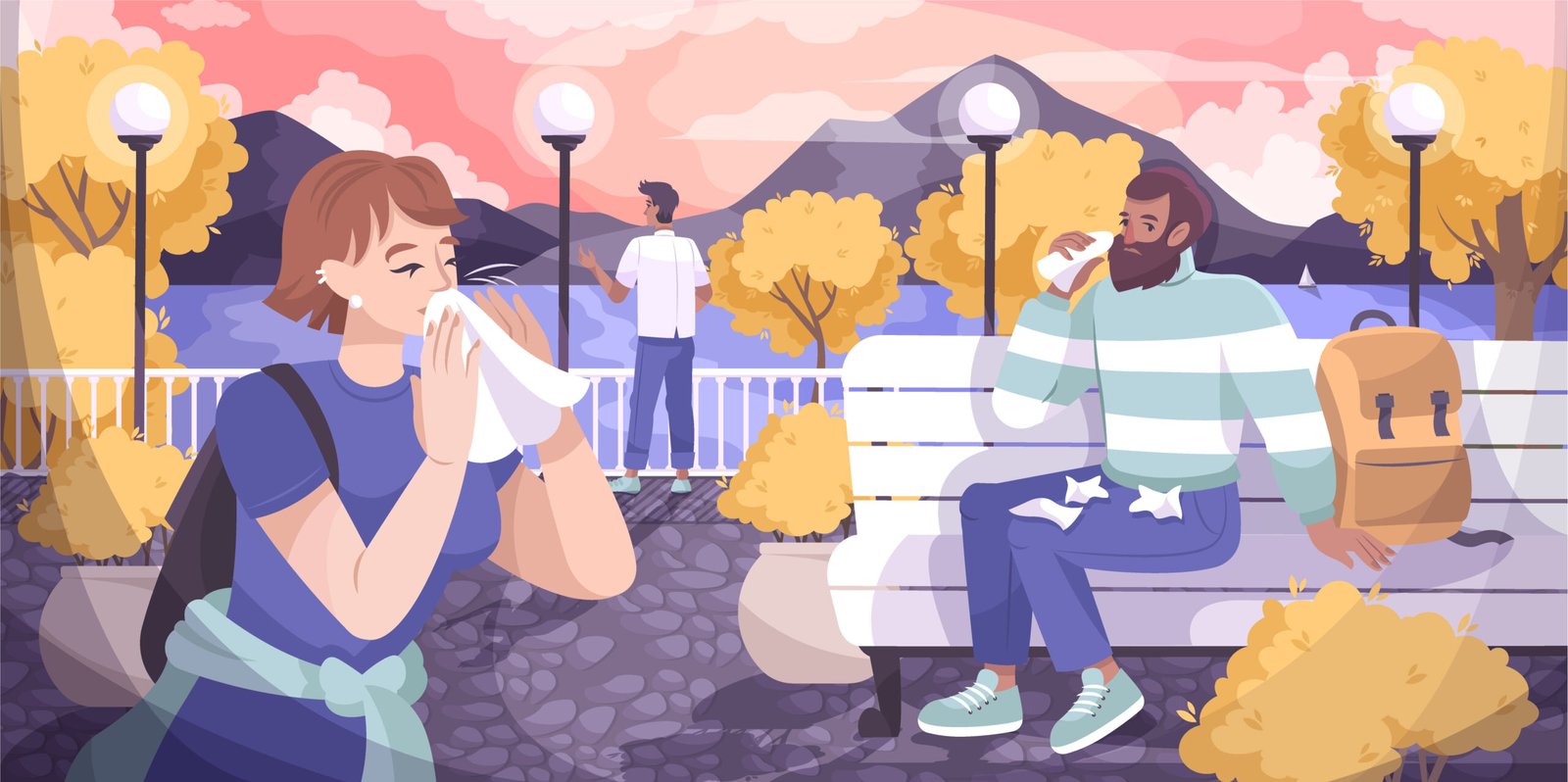
Sneezing and a runny or blocked nose
Itchy, watery or red eyes
Itching in the throat, nose or ears
Fatigue caused by poor sleep and inflammation
Coughing or mild breathing discomfort in some people
Symptoms often worsen on dry, windy days when pollen spreads more easily.
When are pollen allergies at their worst?
Pollen allergies are usually seasonal, but timing depends on the specific pollen type and local climate.
In general:
Trees release pollen first in the year
Grasses dominate mid-season
Weeds peak later in summer and early autumn
Monitoring daily pollen counts helps predict symptom severity and plan activities accordingly.
What Helps With Pollen Allergies
You can reduce the impact of pollen allergies by combining practical measures with supportive habits:
Keep windows closed during high pollen periods and use air conditioning or air filters.
Shower and change clothes after spending time outside to remove pollen from skin, hair and clothing.
Use a HEPA air purifier at home to reduce airborne pollen particles.
Use antihistamines, nasal sprays or other medications when symptoms arise (preferably under medical advice).
Monitor local pollen counts and plan outdoor activities when pollen exposure is lower.
Most Common Pollen Allergies
People with pollen allergies are most often sensitive to pollen from:
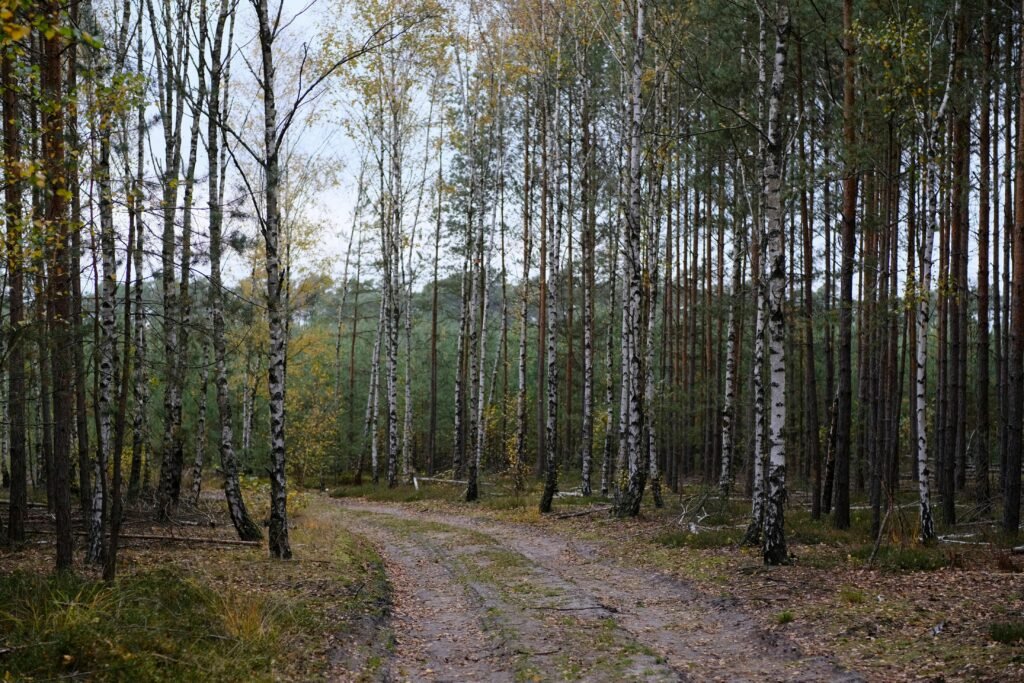
Trees (e.g. birch, oak, alder, hazel, ash) especially in spring
Grasses, often in late spring and early summer
Weeds (e.g. ragweed, mugwort) typically in late summer or fall Many people react to more than one pollen type, which can extend the allergy season significantly.
How to reduce pollen exposure in daily life
While pollen cannot be completely avoided, practical lifestyle adjustments can significantly reduce exposure.
At home
Keep windows closed during high pollen days
Ventilate during low-pollen hours (often evenings)
Clean floors and surfaces regularly
Wash bedding frequently
Personal habits
Shower and change clothes after being outdoors
Rinse your nose with saline to remove pollen
Wear sunglasses outside to protect your eyes
Avoid drying laundry outdoors during pollen season
What You’ll Learn on This Page
Types of Pollen Allergies
Pollen allergies can come from several plant groups. Each group releases pollen during specific seasons, which is why symptoms vary throughout the year. Below you’ll find the main types of pollen that commonly trigger allergic reactions.
Products That Can Help With a Pollen Allergy
Although you cannot eliminate pollen entirely, certain products can help you manage symptoms and reduce exposure indoors:
FAQ: Common Questions About Pollen Allergies
Can pollen allergies cause fever?
It’s rare. Pollen allergies usually cause allergic rhinitis, a reaction in the nose and eyes, not a true fever. However, severe sinus irritations or secondary infections may raise body temperature.
Can pollen allergies cause a sore throat?
Yes. Post-nasal drip and mucus build-up can irritate the throat, leading to soreness or itchiness.
Can babies have pollen allergies?
Though less common than in older children or adults, babies can develop pollen allergies especially if there is a family history of atopy or if they are exposed to pollen early in life.
Can cats have allergies to pollen?
Animals such as cats (and dogs) can also react to pollen just like humans. Their symptoms may include sneezing, itchy or watery eyes, skin irritation or respiratory signs.
Can dogs have allergies to pollen?
Yes dogs can develop pollen allergies as well. Their symptoms may include sneezing, itchy nose or eyes, skin rash or increased scratching.
Why are pollen allergies worse at night?
Pollen that enters during the day can linger on bedding, clothing or hair. At night, when you’re lying down, inhalation of remaining pollen and post-nasal drip can increase symptoms.
Can you die from pollen allergies?
Almost never. Pollen allergies (hay fever / allergic rhinitis) are typically non-life-threatening. Severe complications are rare; only a systemic allergic reaction (very unlikely with pollen alone) would be life-threaten
Does rain help pollen allergies?
Yes rain can wash pollen out of the air temporarily, reducing exposure. However, after rain pollen can re-disperse, and damp weather can increase mold spores, another allergen.