


Pet dander allergy: how to reduce symptoms and stay in control

A pet dander allergy occurs when the immune system overreacts to tiny skin flakes shed by animals. These microscopic particles can trigger allergic symptoms even without direct contact with a pet.

What is a pet dander allergy?

Pet dander refers to microscopic flakes of skin released by animals such as cats and dogs. These flakes contain proteins that can cause an allergic reaction in sensitive individuals. Because dander is extremely light, it spreads easily through the air and settles in furniture, carpets, clothing, and bedding.

Pet dander vs pet hair

Pet hair itself is not the main problem. Dander is much smaller, invisible to the naked eye, and stays in the environment longer. This is why allergy symptoms can persist even after pet hair has been removed.

Brio_Air_Purifier_for_Allergies_Pet_Dander_Smoke_Viruses_4
Air Purifier for Pet Dander Allergies

Common symptoms of pet dander allergy

Symptoms vary from mild to more persistent, depending on sensitivity and exposure level.

Typical symptoms include:

  • Sneezing and nasal congestion

  • Runny nose or post-nasal drip

  • Itchy, red, or watery eyes

  • Coughing or throat irritation

  • Shortness of breath or wheezing (especially in people with asthma)

In some cases, symptoms continue even when the pet is not nearby, because dander remains in the indoor environment.

How can you reduce pet dander at home?

Although it is impossible to remove pet dander completely, consistent measures can significantly lower exposure.

Daily and weekly habits

  • Keep pets out of bedrooms

  • Wash hands after touching animals

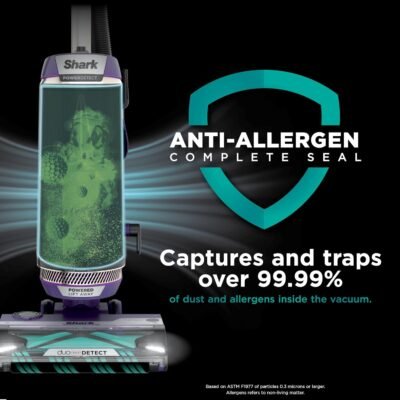
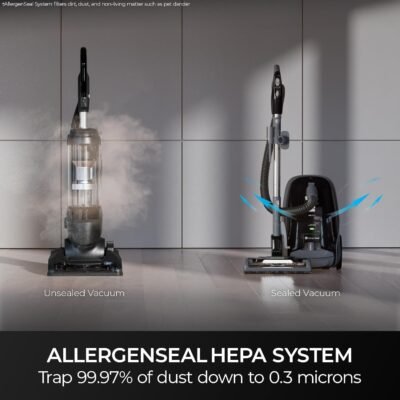
  • Vacuum regularly using a HEPA-filter vacuum

  • Choose hard flooring instead of carpets where possible

  • Ventilate rooms daily to reduce airborne allergens

Supportive home solutions

In addition, certain products can help lower allergen levels:

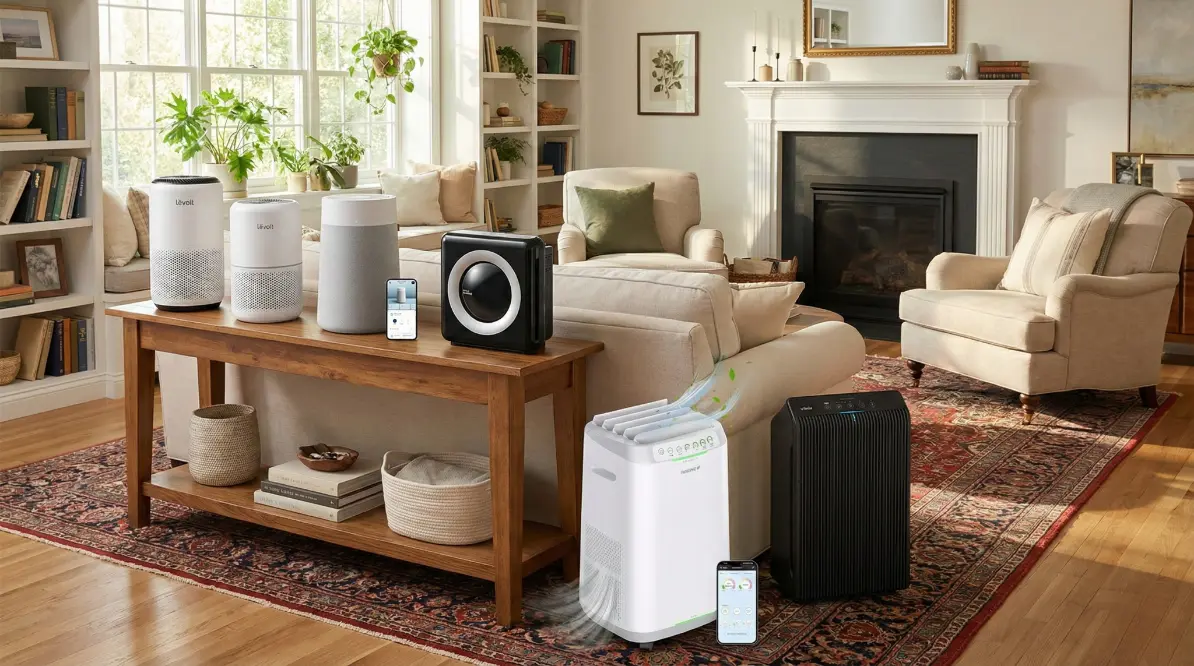
  • Air purifiers with HEPA filters

  • Washable covers for mattresses and pillows

  • Frequent washing of pet beds and blankets

These tools support symptom reduction, but they are not medical treatments.

What You’ll Learn on This Page

Living with a pet dander allergy

A pet dander allergy does not automatically mean you must give up having pets. However, it does require awareness, routine cleaning, and realistic expectations. Many people successfully manage symptoms by combining lifestyle adjustments with a cleaner indoor environment.

When should you seek professional advice?

If symptoms are persistent, worsening, or affecting daily life, professional medical advice is recommended. A healthcare provider can confirm the allergy and discuss appropriate treatment options. Ignoring ongoing symptoms may increase discomfort or lead to complications over time.

Related Articles & Advice

Read more from our expert blog to keep your allergies in control.

best air purifiers for allergies in 2026
Contact Allergies

Top 5 Best Air Purifiers for Allergies in 2026

This blog highlights the top five air purifiers for 2026, ranking the Levoit Core 400S as the best overall choice for its advanced laser sensing and medical-grade filtration. It features sustainable solutions like the Nuwave OxyPure ZERO, which uses permanent, washable filters to capture particles as small as 0.1 microns.

Read More >

Frequently asked questions

What exactly is pet dander?

Pet dander consists of tiny skin flakes shed by animals. These flakes contain proteins that can trigger allergic reactions.

No pet is completely hypoallergenic. Some animals produce less dander, but allergic reactions are still possible.

Yes. Pet dander can remain in furniture, carpets, and fabrics for weeks or even months.

Yes. Regular cleaning and ventilation significantly reduce allergen levels, although they do not eliminate them entirely.

Get Your Free Allergy Guide​