What is a Cat Allergy?
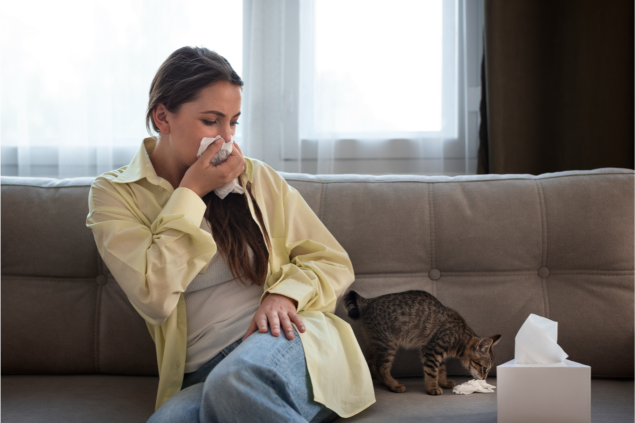
Cat allergy is one of the most common pet allergies affecting millions of people worldwide. It is an immune system reaction to proteins found in a cat’s skin cells, saliva, and urine. When people with cat allergies come into contact with these proteins, their immune system mistakenly identifies them as harmful substances, triggering an allergic response.
Unlike many other allergens, cat allergens are particularly persistent and can remain airborne for extended periods. This is because the primary allergen, Fel d 1, is extremely small and lightweight, allowing it to stay suspended in the air for hours and easily penetrate deep into the lungs. Cat allergens can also cling to clothing, furniture, and walls, making them difficult to avoid even in homes without cats.
Symptoms of a cat allergy
Cat allergy symptoms can range from mild to severe and usually appear within minutes of exposure to cat dander. Symptoms may persist for hours or even days after exposure, especially in environments with high allergen concentrations.
Nasal Symptoms
Sneezing, a runny or blocked nose, nasal congestion, postnasal drip, and sinus pressure are among the most common cat allergy symptoms.
Eye Reactions
Red, itchy, and watery eyes are hallmark symptoms of cat allergy. Swelling and irritation of the eyes may also occur, making it difficult to wear contact lenses.
Respiratory Issues
Cat allergies can trigger coughing, wheezing, chest tightness, and shortness of breath. These symptoms are particularly serious for individuals with asthma and may require immediate medical attention.
Skin Reactions
Direct contact with cats may cause hives, itching, or eczema flare-ups. Scratches from cats can become red and inflamed in allergic individuals.
Fatigue and Headaches
Chronic exposure to cat allergens can lead to persistent fatigue, difficulty concentrating, and headaches, often caused by ongoing inflammation and disrupted sleep.
Severe Reactions
In rare cases, cat allergies can cause anaphylaxis, a life-threatening allergic reaction that requires emergency medical care.
What Causes Cat allergy?
The primary cause of cat allergy is exposure to a protein known as Fel d 1.
The Role of Fel d 1
Fel d 1 is found in cat saliva, skin cells, and urine. When cats groom themselves, this protein spreads across their fur and becomes airborne as microscopic particles. Fel d 1 is a glycoprotein produced in the sebaceous, salivary, and anal glands of cats.
Approximately 90 to 96 percent of cat-allergic individuals are sensitized to Fel d 1, and it is responsible for the majority of allergic reactivity in affected individuals. Due to its small size and sticky nature, Fel d 1 can remain suspended in the air for hours and settle on furniture, carpets, and clothing, making it particularly difficult to eliminate from indoor environments.
Risk Factors for Cat Allergy
Several factors increase the likelihood of developing a cat allergy. These include a family history of allergies or asthma, existing allergies to other animals, high allergen exposure during childhood, a weakened immune system, urban living environments, and prolonged or repeated exposure to cats.
EFFECTIVE CAT ALLERGY SOLUTIONS
Managing cat allergy symptoms often requires a combination of environmental control, medication, and long-term treatment strategies.
Antihistamine Relief
Antihistamines work by blocking histamine release, providing fast relief from symptoms such as sneezing, itching, and a runny nose.
HEPA Air Purifiers
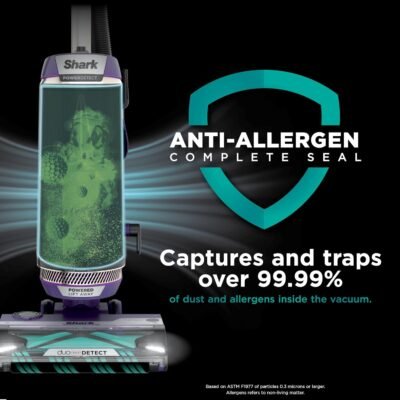
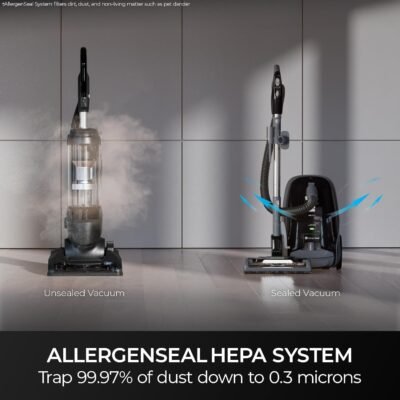
High-efficiency particulate air purifiers can capture up to 99.97 percent of airborne cat allergens, improving indoor air quality and reducing exposure.
Allergen-Reducing Sprays and Diets
Products designed to neutralize Fel d 1 protein, including sprays and dietary interventions for cats, have shown significant reductions in allergic symptoms, with some studies reporting improvements of up to 47 percent.
Nasal Corticosteroid Sprays
Prescription-strength nasal sprays reduce inflammation in the nasal passages and provide long-lasting relief for sinus-related symptoms.
Allergen-Proof Bedding
Hypoallergenic mattress and pillow covers create a barrier against cat dander, helping to reduce nighttime symptoms and improve sleep quality.
Immunotherapy Treatment
Immunotherapy, delivered through allergy shots or sublingual tablets, gradually desensitizes the immune system to cat allergens. Studies show this treatment is approximately 70 to 80 percent effective in significantly reducing symptoms, with many patients experiencing noticeable improvement within three to six months.