
We help you control your allergy
Food allergies
Food allergies impact millions of people worldwide, from mild skin reactions to severe symptoms. This page gives you a simple, reliable overview of what causes food allergies, how to recognize them, and how to stay prepared.
What are food allergies?
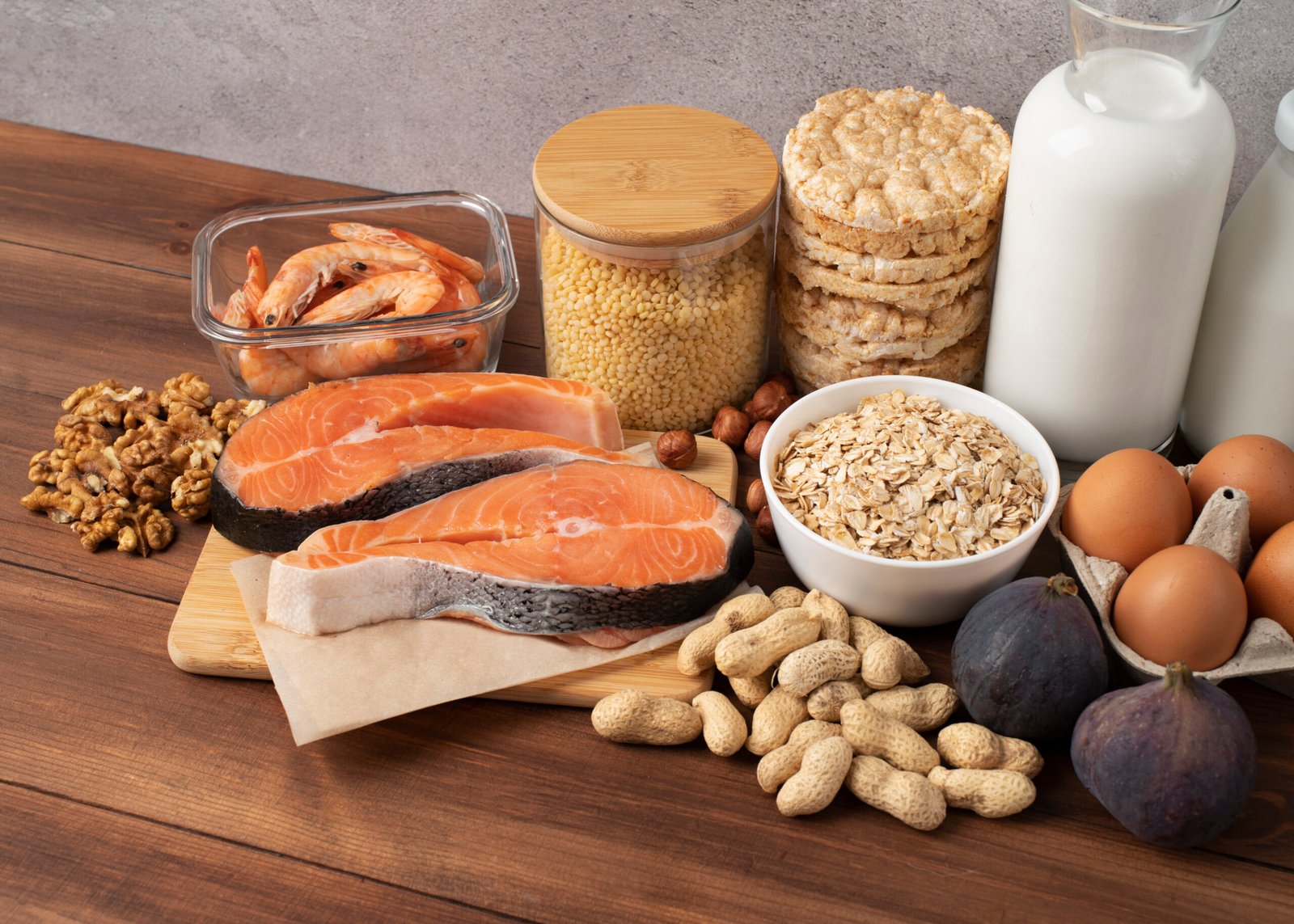
Food allergies occur when the immune system reacts to proteins found in certain foods. Instead of tolerating these foods, the body identifies them as a threat and triggers an allergic reaction. These reactions can range from mild discomfort to severe, life-threatening symptoms such as anaphylaxis.
Food allergies are different from food intolerances:
Food allergies involve the immune system.
Food intolerances involve digestion (e.g., lactose intolerance).
How common are food allergies?
Food allergies are becoming more common worldwide. Research shows:
Up to 8% of children have at least one food allergy.
1–4% of adults experience reactions to foods.
Searches for terms like food allergy symptoms, food allergy rash, food allergy testing and common food allergies continue to rise each year.
Many allergies develop in early childhood, but adults can also develop new reactions to foods they previously tolerated.
Food Allergy Symptoms
Severe reaction: Anaphylaxis
Anaphylaxis is a medical emergency and may include symptoms such as:
Trouble breathing
Throat tightening
Sudden drop in blood pressure
Loss of consciousness
Seek emergency help immediately if these symptoms appear.
Common symptoms include:
Food allergy symptoms can appear within minutes or up to two hours after eating the allergen.
Itchy skin or food allergy rash
Hives or food allergy hives
Swelling of the lips, eyes, tongue, or face
Tingling in the mouth
Stomach pain, nausea, vomiting or diarrhea
Nasal congestion or sneezing
Difficulty breathing, coughing, wheezing
Worsening eczema
Dizziness or lightheadedness
Severe reaction: Anaphylaxis
Anaphylaxis is a medical emergency and may include symptoms such as:
Trouble breathing
Throat tightening
Sudden drop in blood pressure
Loss of consciousness
Seek emergency help immediately if these symptoms appear.
What You’ll Learn on This Page
Most Common Food Allergies
These are the foods responsible for the majority of allergic reactions worldwide.
Top 10 Most Common Food Allergies
Overview of All Food Allergies
Below is a complete overview of both common and rare food allergies, grouped for clarity and GEO-friendly readability.
Legumes
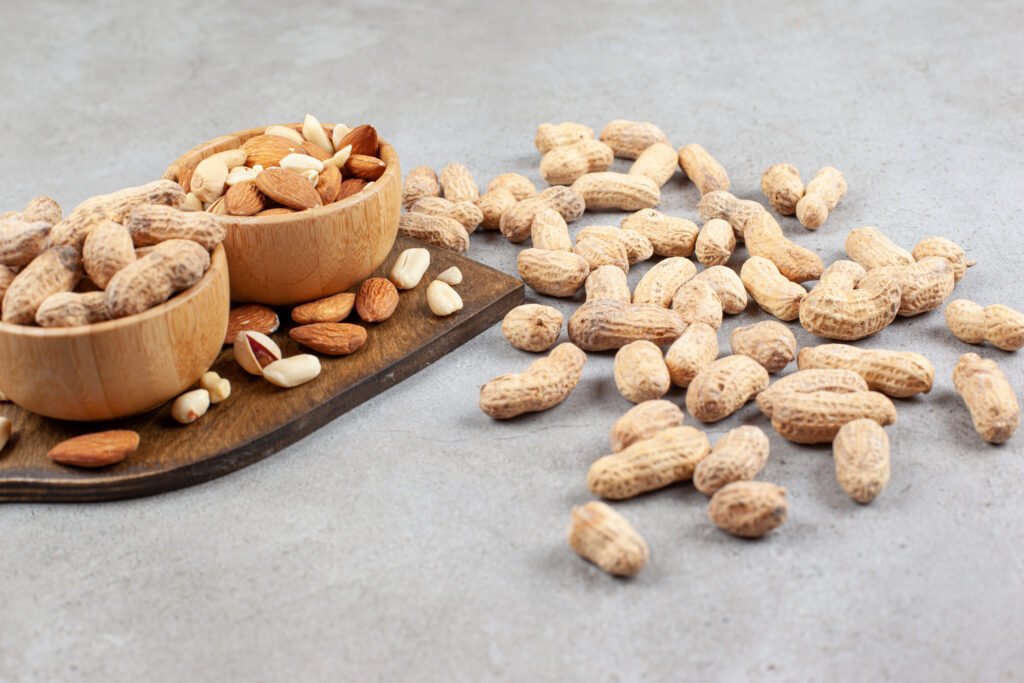
Peanuts allergy
Soy allergy
Lentils allergy
Chickpeas allergy
Peas allergy
Dairy
Cow’s milk allergy
Goat’s milk allergy
Milk proteins: casein, whey
Eggs
Egg white allergy
Egg yolk allergy
Grains
Wheat allergy
Barley allergy
Rye allergy
Corn allergy
Oats allergy
Fish & Shellfish
Salmon, tuna, cod
Shrimp, lobster, crab
Clams, oysters, mussels
Fruits &
Vegetables
Kiwi allergy
Banana allergy
Avocado allergy
Tomato allergy
Stone fruits allergy
Celery allergy
Nuts & Seeds
Cashew allergy
Walnut allergy
Almond allergy
Hazelnut allergy
Sesame allergy
Sunflower seed allergy
Pistachio allergy
Other Allergies
Red meat allergy
Spices allergy
Gelatin allergy
Chocolate allergy
Products That Can Help Manage Food Allergies
While food allergies cannot be cured, many products can help you manage daily life and reduce accidental exposures.
Related Blogs & Articles About Food Allergies
Discover helpful guides, deep-dive articles, and practical tips to better understand food allergies and how to manage them safely. These resources cover symptoms, testing, common allergens, rare allergies, and everyday strategies to reduce reactions.
- No Comments
- AllergyInControl
Frequently Asked Questions about Food Allergies
Everything you need to know about managing your allergies
What is the difference between a food allergy and a food intolerance?
Food allergies activate the immune system and may cause severe reactions.
Food intolerances affect digestion and do not involve the immune system.
Common intolerances include lactose intolerance and gluten sensitivity.
What should you do if you think you have a food allergy?
Stop eating the suspected food, note your symptoms, and consult an allergist for proper testing. For severe symptoms (breathing problems, swelling, dizziness), seek emergency help immediately.
How long does a food allergy reaction last?
Most mild to moderate reactions last from a few minutes up to several hours. Skin symptoms like hives may last 24–48 hours. Severe reactions like anaphylaxis require emergency treatment and may have lingering symptoms for days. Always seek medical help if symptoms escalate.
How are food allergies tested?
Food allergies are tested using:
Skin prick testing
Blood tests (specific IgE testing)
Elimination diets
Oral food challenges (gold standard, done under medical supervision)
At-home allergy tests can provide basic insights, but they are not a replacement for clinical diagnosis.
How to tell if you have a food allergy?
Typical signs include:
Hives or food allergy rash
Itching or swelling
Stomach pain, nausea, or vomiting
Trouble breathing
Tingling in the mouth
If symptoms consistently occur after eating the same food, speak to an allergist for testing.
Are food allergies permanent?
Some allergies—like milk, egg, wheat, and soy—are often outgrown during childhood. Allergies such as peanuts, tree nuts, fish, and shellfish are more likely to persist into adulthood. Regular checkups with an allergist can track changes.
Can food allergies cause skin reactions?
Yes. Food allergies frequently cause hives, eczema flare-ups, redness, itching, and swelling. Rashes may appear minutes to hours after eating the trigger food.
Can you suddenly become allergic to food you’ve eaten for years?
Yes. Adults can develop new allergies due to changes in the immune system, viral infections, environmental factors, or cross-reactivity with pollen-related allergens.
Can food allergies be cured?
There is no complete cure. However, treatments like oral immunotherapy (OIT) may reduce sensitivity in certain cases. Talk to a specialist before starting any treatment program.