Allergies are one of the most widespread health conditions in the world and the numbers are surprisingly high. Whether it’s sneezing every spring, itchy skin, or reacting to certain foods, many people live with at least one allergic condition. But which ones happen most often? Let’s break it down with real statistics from trusted sources.
How Many People Have Allergies?
Allergies are very common. Around 30–40% of people worldwide are thought to have at least one allergy today.
Some estimates put the number even higher in certain regions — for example, in Europe, up to 20–30% of adults report having an allergic condition.
In the Netherlands, about 1 in 5 people (21%) reported having an allergy in a recent health survey.
1. Seasonal Allergies (Hay Fever) Most Common Worldwide
The most common allergy overall is seasonal allergic rhinitis, often called hay fever. This is an allergy to pollen from grasses, trees, and weeds.
In the U.S., about 25–26% of adults have a diagnosed seasonal allergy.
In Europe, allergic rhinitis affects roughly 17–29% of people, with some estimates saying it affects hundreds of millions globally.
Symptoms include sneezing, runny nose, itchy eyes, and congestion, especially during spring or summer pollen seasons.
2. Pet and Indoor Allergens, Very Common Too
Indoor allergens like dust mites, pet dander (skin flakes from cats and dogs), and mold spores are also extremely widespread and can cause year‑round allergy symptoms.
For instance, tests show that 5–30% of people worldwide react positively to dust mites — one of the most common indoor triggers.
3. Skin Allergies Eczema and Contact Allergies
Skin allergies, including eczema (atopic dermatitis) and contact allergies, are also frequent.
Eczema affects a notable portion of children and adults (for example, studies in the UK show 15–20% of schoolchildren develop it at some point).
Contact allergies like reactions to nickel or fragrances, are another common type of skin allergy, especially in areas with frequent exposure to chemicals.
4. Skin Allergies Eczema and Contact Allergies
Skin allergies, including eczema (atopic dermatitis) and contact allergies, are also frequent.
Eczema affects a notable portion of children and adults (for example, studies in the UK show 15–20% of schoolchildren develop it at some point).
Contact allergies like reactions to nickel or fragrances, are another common type of skin allergy, especially in areas with frequent exposure to chemicals.
5. Insect Sting Allergies Less Common but Potentially Serious
Allergic reactions to insect stings (like bees or wasps) are less common than respiratory or food allergies, but they can be dangerous. A small portion of people experience severe reactions, including anaphylaxis.
6. Asthma Often Linked to Allergies
Asthma itself isn’t an allergy, but it’s often connected to allergic reactions , especially those triggered by pollen or dust mites. Many people with allergies also develop allergic asthma.
Summary: What Allergies Are Most Common?
- Seasonal hay fever (pollen allergies) — most common overall.
- Indoor allergies (dust mites, pet dander) — very widespread.
- Skin allergies (eczema, contact reactions) — common, especially in children.
- Food allergies — less common but important, especially in kids.
- Insect sting allergies — less frequent but can be severe.
Products that can help controlling these allergies

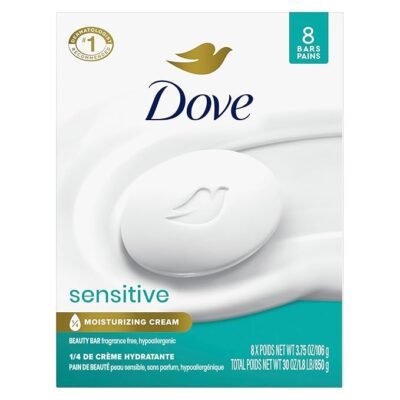
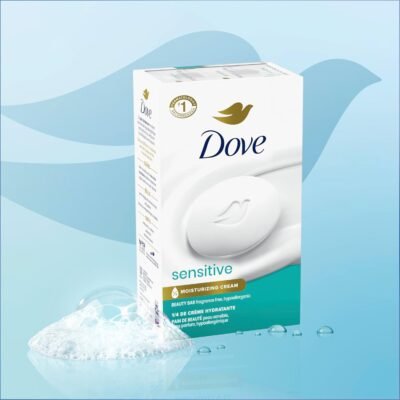
Dove Beauty Bar Soap Sensitive, 8 Bars
Sukin Botanical Body Wash (Bergamot & Patchouli)
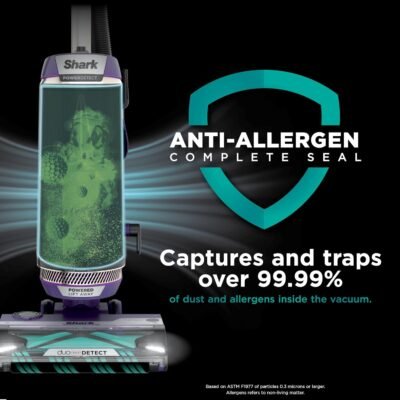
Shark POWERDETECT Upright Vacuum Cleaner with HEPA Filter
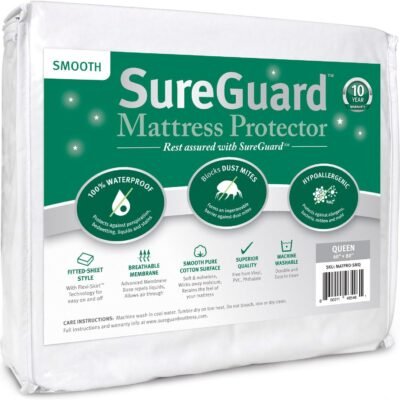
SureGuard Queen Size Mattress Protector – 100% Waterproof, Hypoallergenic
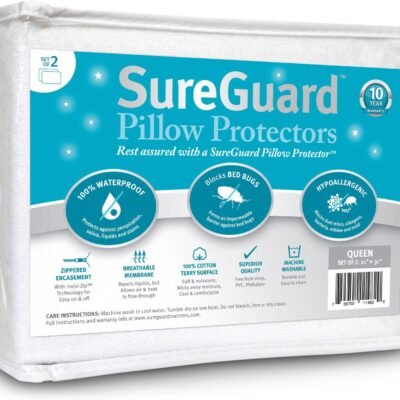
Set of 2 Queen Size SureGuard Pillow Protectors – 100% Waterproof, Bed Bug Proof, Hypoallergenic
- Allergy control productsdust mite allergy productshypoallergenic beddinghypoallergenic mattress covers
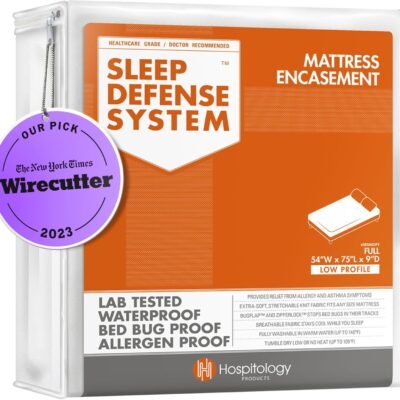
HOSPITOLOGY PRODUCTS Mattress Encasement – Zippered Bed Bug Dust Mite Proof