Nickel Allergy

Nickel allergy is one of the most common contact allergies worldwide. It occurs when the skin reacts to nickel found in everyday items such as jewelry, clothing fasteners, or accessories.

What is a nickel allergy?

A nickel allergy is a type of allergic contact dermatitis. It develops when the immune system becomes sensitized to nickel after repeated skin contact. As a result, even small amounts of nickel can trigger a skin reaction.

Is nickel allergy the same as eczema?

Not exactly. Nickel allergy causes allergic contact eczema, meaning the symptoms resemble eczema but are triggered by a specific external substance nickel.

Does nickel allergy go away?

In most cases, no. Once sensitized, the skin usually remains reactive. Therefore, long-term management focuses on avoidance and skin protection rather than a cure.

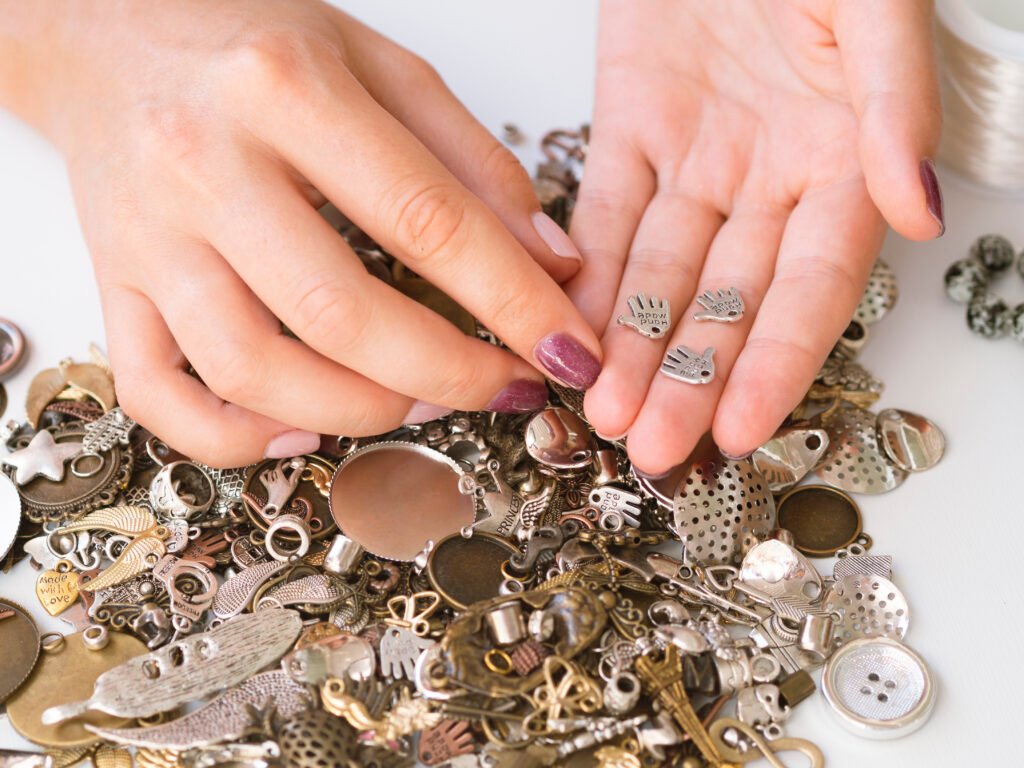
Close-up of hands sorting metal jewelry charms that may contain nickel

Nickel allergy symptoms: how does it show up?

Symptoms often appear hours or even days after exposure, which can make the trigger harder to identify.

Common symptoms

  • Itching or burning sensation

  • Redness and mild swelling

  • Dry, flaky, or cracked skin

  • Small blisters or oozing patches

  • Thickened or darkened skin with long-term exposure

Everyday examples

  • Itchy earlobes after wearing earrings

  • Rash around the belly button from jean buttons

  • Irritation on the wrist from watches or bracelets

  • Redness on the nose from metal-framed glasses

Where is nickel commonly found?

Nickel is widely used because it strengthens metal and resists corrosion. In addition, it often appears in places people don’t expect.

Jewelry and accessories

  • Earrings, rings, necklaces

  • Watches and bracelets

  • Piercings (especially new ones)

Clothing and fasteners

  • Buttons (especially denim buttons)

  • Zippers

  • Belt buckles

  • Bra hooks and snaps

Everyday objects

  • Keys and coins

  • Smartphones and laptops (metal edges)

  • Tools and handles

  • Eyeglass and sunglass frames

How can you tell if nickel is the cause?

Nickel allergy is often suspected based on patterns rather than a single exposure.

Signs that point to nickel allergy

  • The rash appears exactly where metal touches the skin

  • Symptoms return when using the same item

  • Skin improves after avoiding certain products

  • Reactions worsen with repeated exposure

When is testing helpful?

A dermatologist can confirm nickel allergy using a patch test. This can be helpful when triggers are unclear or symptoms keep returning despite avoidance.

How to prevent nickel allergy reactions

You don’t need to avoid all metal, however reducing exposure makes a significant difference.

Choose safer materials

Materials that are often better tolerated include:

  • Titanium

  • Niobium

  • Plastic or silicone

  • Solid gold (14 karat or higher)

  • Some stainless steels (not all are nickel-free, so check carefully)

Reduce direct skin contact

  • Place fabric between skin and metal (for example under belt buckles)

  • Replace metal buttons or snaps where possible

  • Avoid wearing jewelry continuously

Create a protective barrier

For example:

  • Protective coatings for buttons or buckles

  • Clear nail polish as a short-term solution (needs frequent reapplication)

  • Barrier creams for occasional exposure (supportive, not foolproof)

What You’ll Learn on This Page

Products that can support mold allergy management

Products won’t solve the problem on their own, but they can support a healthier indoor environment when used correctly.

What helps during an active nickel allergy rash?

When symptoms flare up, the priority is simple: remove the trigger, calm the skin, support healing.

Immediate steps

  • Stop using the suspected item right away

  • Gently cleanse the area with a mild, fragrance-free product

  • Cool the skin if itchy (short, cool compresses)

  • Avoid scratching, because it worsens skin damage

Skin recovery and care

  • Use fragrance-free, barrier-repair creams

  • Keep routines simple to avoid further irritation

  • Reduce heat, friction, and harsh skincare products

When to seek medical advice

  • If the skin becomes open, oozing, or infected

  • If symptoms spread or do not improve after 1–2 weeks

  • If flare-ups occur frequently

A doctor may recommend medicated treatments when necessary. Skincare products are supportive, not a cure.

Nickel allergy and jewelry: making safer choices

Jewelry is the most common trigger. Therefore, careful selection matters.

What to know about “nickel-free” claims

  • “Nickel-free” labeling is not always regulated

  • Look for clearly stated materials, not just coatings

  • For earrings, the post matters more than the decorative part

  • For piercings, implant-grade materials are often safest

Quick checklist before buying jewelry

  • Is the material clearly listed?

  • Is it suitable for sensitive skin?

  • Can it be returned if a reaction occurs?

  • Will it be worn for long periods? If yes, be extra cautious.

Related Articles & Advice

Read more from our expert blog to keep your allergies in control.

woman sitting on couch while air purifiers helps witth her allergies
Dust Mites

Do Air Purifiers Help With Allergies?

The short answer is yes, but they are not a magic cure on their own. According to the U.S. Environmental Protection Agency (EPA), air filtration can be an effective tool, but it works best when used as a supplement to proper ventilation and removing the source of the allergy.

Read More >

FAQ

What are the most common nickel allergy symptoms?

Itching, redness, dryness, and sometimes blisters at the contact site. Symptoms may appear hours or days after exposure.

Earlobes are more sensitive and earrings create constant, direct contact. In addition, small skin breaks can increase absorption.

Removing the trigger is the most important step. Gentle skincare and barrier-repair creams help calm and restore the skin.

Often yes, as long as you choose materials with little or no nickel release, such as titanium or niobium. Individual sensitivity varies.

Sometimes temporarily. However, they wear off with friction and need frequent reapplication. Replacing the item is usually more reliable.

Get Your Free Allergy Guide​