What Is the Most Common Allergy?
Discover the most common allergies worldwide, from hay fever to food and skin allergies. Get real numbers, facts, and trends.

We help you control your allergy
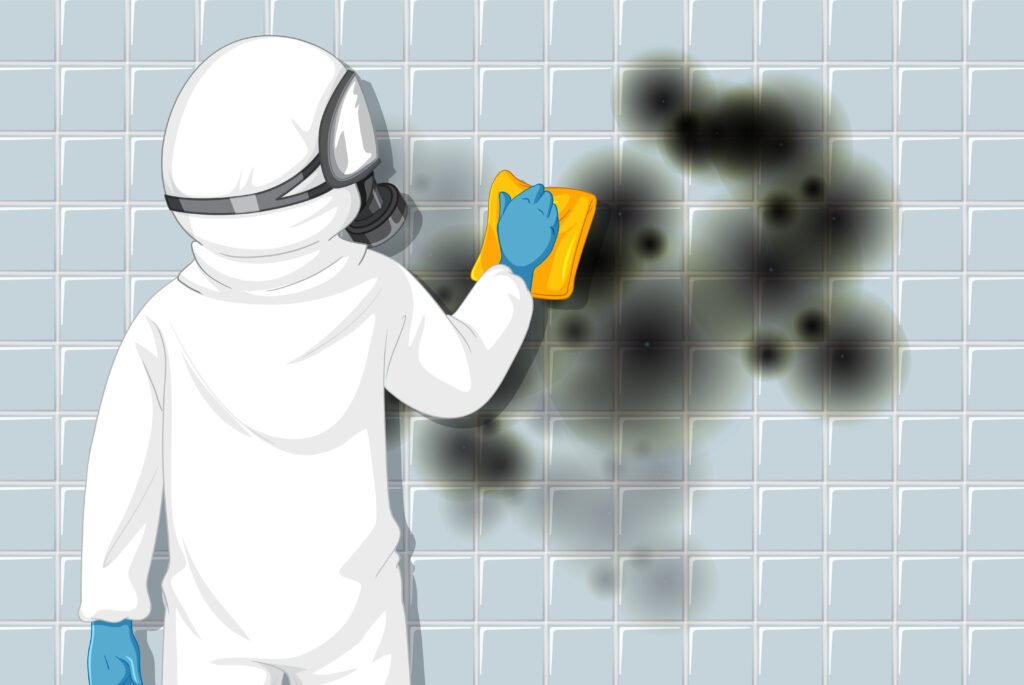
An allergy to mold develops when your body reacts too strongly to mold spores in the air. These spores are everywhere, often unnoticed, and for some people they can lead to ongoing discomfort.
Mold is a natural part of our environment. It grows wherever moisture, warmth, and organic material come together. As mold grows, it releases microscopic spores into the air. Most people breathe these in without problems, but if you’re sensitive, your immune system may treat them as a threat.
A mold allergy is therefore not about “poisoning,” but about an overactive immune response. This is why symptoms can differ widely from one person to another.

Many people don’t immediately link their symptoms to mold exposure. That’s because mold allergies tend to build up gradually. You might feel fine outdoors, but notice symptoms returning at home or at work.
Common contributing factors include:
Living in a damp or poorly ventilated home
Hidden moisture behind walls or floors
Bathrooms or basements that stay humid
Water damage that was never fully dried
Because mold is often invisible, the cause can remain overlooked for a long time.
The symptoms of a mold allergy are often similar to other inhalant allergies. For example:
A blocked or runny nose
Sneezing or sinus pressure
Itchy, watery, or burning eyes
Persistent cough or throat irritation
Increased asthma symptoms in people with asthma
Symptoms often worsen indoors or during humid periods, and may improve when you’re in a dry, well-ventilated space.
Mold doesn’t need much space to grow. Even clean homes can have problem areas, such as:
Bathrooms after frequent hot showers
Kitchens with poor airflow
Bedrooms with condensation on windows
Basements or crawl spaces
Homes with older insulation or minor leaks
Outdoor exposure is also common, especially in autumn when mold grows on decaying leaves and soil.
Completely avoiding mold isn’t realistic, but reducing exposure usually brings noticeable relief. Small, consistent actions matter most.
Helpful habits include:
Keeping indoor humidity below 50%
Ventilating rooms daily, even in colder months
Fixing leaks as soon as they appear
Removing visible mold carefully and safely
Letting rooms dry properly after cleaning or showering
Over time, these steps can significantly reduce the number of spores in your living environment.
Products won’t solve the problem on their own, but they can support a healthier indoor environment when used correctly.


If symptoms persist despite making changes at home, it’s wise to seek professional advice. A healthcare provider can help determine whether mold is the main trigger or if other allergies are involved. This is especially important if breathing issues, sleep problems, or chronic fatigue begin to affect daily life.
Read more from our expert blog to keep your allergies in control.

Discover the most common allergies worldwide, from hay fever to food and skin allergies. Get real numbers, facts, and trends.

Lactose intolerance is often confused with a milk allergy, but they’re not the same. Discover the scientific differences and symptoms.

The short answer is yes, but they are not a magic cure on their own. According to the U.S. Environmental Protection Agency (EPA), air filtration can be an effective tool, but it works best when used as a supplement to proper ventilation and removing the source of the allergy.
Yes. Symptoms often fluctuate depending on humidity, ventilation, and time spent in mold-prone environments.
Not necessarily. Allergic reactions depend more on personal sensitivity than on the color or name of the mold.
Yes. Repeated exposure over time can lead to sensitization, even if you never had issues before.
Cleaning helps, but preventing moisture buildup is usually more important for long-term relief.