What Is the Most Common Allergy?
Discover the most common allergies worldwide, from hay fever to food and skin allergies. Get real numbers, facts, and trends.

We help you control your allergy

Hay fever, scientifically known as allergic rhinitis, is an allergic reaction seasonal allergy symptoms caused by airborne triggers. Unlike the common cold, hay fever is caused by an overactive immune system response, not a virus.
Hay fever, also known as allergic rhinitis, is an allergic reaction to pollen, dust mites, mold, or pet dander. Despite its name, hay fever has nothing to do with hay or a fever. The term originates from historical associations with hay harvest season and common symptoms like sneezing and itchy eyes.
If you are suffering from persistent sneezing, itchy eyes, or a runny nose during specific times of the year, you likely have hay fever. While it can be frustrating, understanding your triggers and using the right preventative products can help you get your allergies under control.

Hay fever occurs when the immune system overreacts to allergens such as:
Pollen from trees, grasses, and weeds
Dust mites and indoor allergens
Pet hair and dander
Mold spores
Seasonal hay fever relates specifically to pollen exposure and often coincides with pollen seasons in spring and summer, but some people have year-round symptoms depending on the allergen.
The term originated from historical associations with hay and harvest seasons when pollen was abundant. The name stuck even though fever is not a common symptom.
Common symptoms of hay fever include:
Sneezing
Runny or blocked nose
Itchy eyes, mouth, throat, and ears
Red, watery eyes (hay fever eyes symptoms)
Postnasal drip
Coughing (hay fever coughing)
Fatigue
Skin irritation (hay fever rash)
In severe hay fever symptoms, you might also experience sinus pressure, sleep disruption, or even asthma flare-ups.
Some sufferers experience more intense reactions, including:
Persistent coughing
Wheezing or asthma flare-ups
Headache from sinus pressure
Fatigue impacting daily life
Hay fever symptoms are similar to a cold but are triggered by allergens, not viruses, and usually do not include fever. Symptoms often last longer than a typical cold.
Hay fever season depends on the pollinating plants in your region:
Tree pollen peaks in early spring
Grass pollen peaks in late spring to early summer
Weed pollen peaks in late summer to autumn
Symptoms typically persist throughout the pollen season or as long as exposure to the triggering allergen continues. Some individuals may experience symptoms year-round if sensitive to perennial allergens like dust mites.

Monitor local pollen counts and limit outdoor exposure when high
Keep windows closed during peak pollen times
Shower and change clothes after being outside to wash off pollen
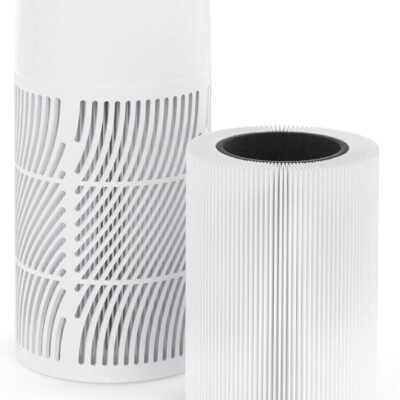
Use HEPA filters indoors and vacuum regularly
Wear wrap-around sunglasses for eye protection
Some people find relief through lifestyle and dietary adjustments. These may help reduce inflammation and ease symptoms:
Saline nasal irrigation to clear allergens from sinuses
Vitamin C and foods rich in antioxidants
Herbal teas with ginger or turmeric
Staying well-hydrated to thin mucus
These approaches do not cure hay fever but may help manage symptoms.
Common treatments include:
Antihistamine tablets (e.g. cetirizine, loratadine) to block histamine response
Corticosteroid nasal sprays for congestion
Eye drops to relieve itchy eyes
Allergen immunotherapy (allergy shots) for long-term reduction of sensitivity
Below are types of products that help manage hay fever symptoms.


Read more from our expert blog to keep your allergies in control.

Discover the most common allergies worldwide, from hay fever to food and skin allergies. Get real numbers, facts, and trends.

Lactose intolerance is often confused with a milk allergy, but they’re not the same. Discover the scientific differences and symptoms.

The short answer is yes, but they are not a magic cure on their own. According to the U.S. Environmental Protection Agency (EPA), air filtration can be an effective tool, but it works best when used as a supplement to proper ventilation and removing the source of the allergy.
No. Hay fever is an allergic reaction and cannot spread person to person.
Despite the name, hay fever does not normally cause a fever. Any elevated body temperature likely results from an infection.
Hay fever season varies by region and trigger, but commonly runs from spring through early autumn.
Hay fever itself is not life-threatening. Severe allergic reactions involving asthma complications may need medical attention.
Yes. If your triggers are indoor allergens like dust mites or pet dander, hay fever-like symptoms can occur year-round.