
We help you control your allergy
Dust Mites
Dust mites can trigger allergies, skin irritation and breathing problems. This guide shows you what dust mites are, common symptoms and practical steps to eliminate them from your home.
What Are Dust Mites?
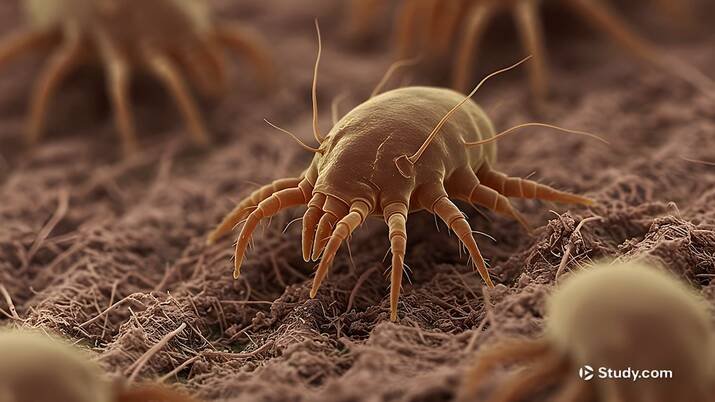
Dust mites are tiny, insect-like pests that are too small to see with the naked eye. They don’t bite or sting, but they often trigger allergies because their droppings and body fragments become airborne. These particles easily settle in bedding, mattresses, upholstery, carpets, and soft fabrics.
Because dust mites prefer humidity and warmth, they reproduce quickly in bedrooms especially inside mattresses and pillows, where they find food and moisture.
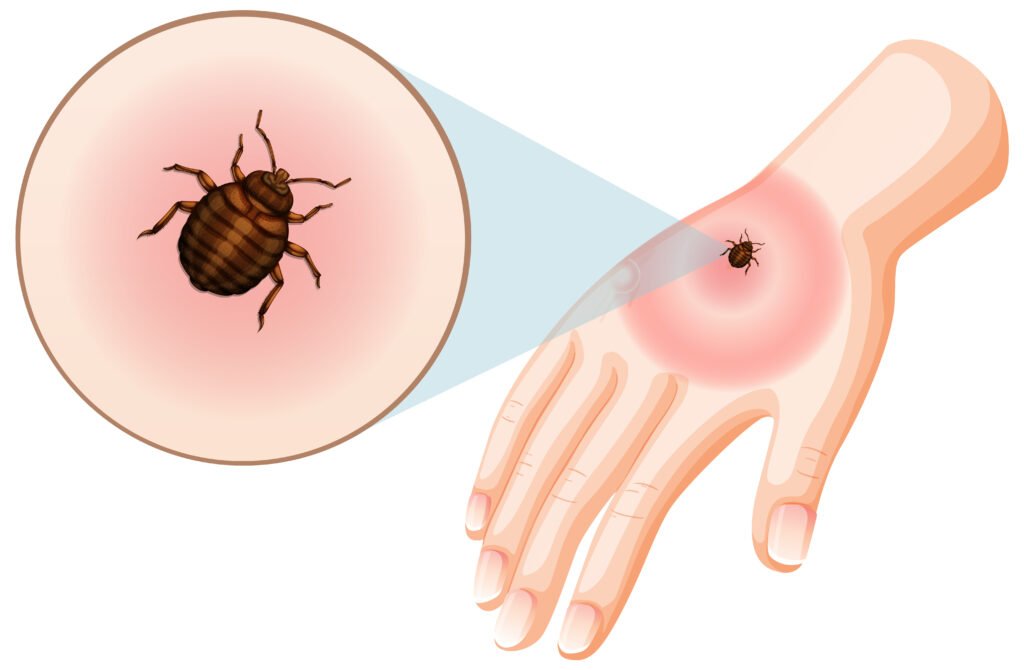
What Do Dust Mites Look Like?
Even though you can’t see them without a microscope, dust mites have a translucent, oval body with eight legs and measure approximately 0.2–0.3 millimeters. Their small size allows them to hide deep inside fabrics and cushions, making them very difficult to remove with basic cleaning alone.
What Causes Dust Mites?
Dust mites appear in environments where humidity is above 40%, where soft materials hold moisture, and where dead skin flakes provide food. Mattresses, bedding, couches, rugs, curtains and stuffed toys are ideal habitats. Lack of ventilation, poor air circulation and infrequent cleaning help dust mites multiply rapidly.
How to Eliminate Dust Mites
A long-term approach is the most effective:
Control humidity aim for 35–50%.
Wash all bedding weekly at high temperatures.
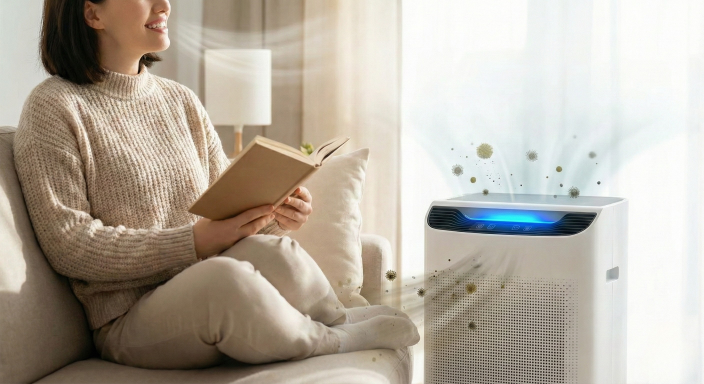
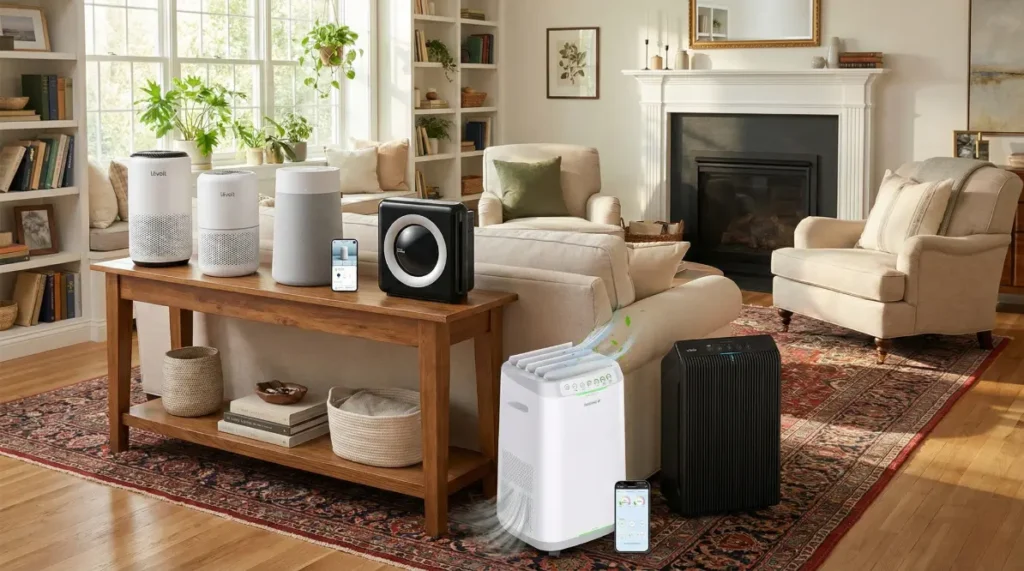
Use HEPA filtration, both in vacuums and air purifiers.
Replace old pillows, mattresses, carpets that collect dust.
Reduce fabric surfaces such as heavy curtains and thick rugs.
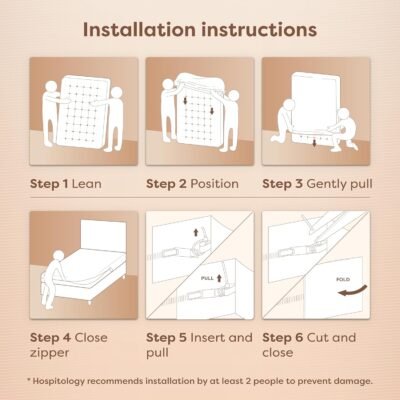
Encase mattresses/pillows with allergen-proof covers.
Dust Mites Symptoms
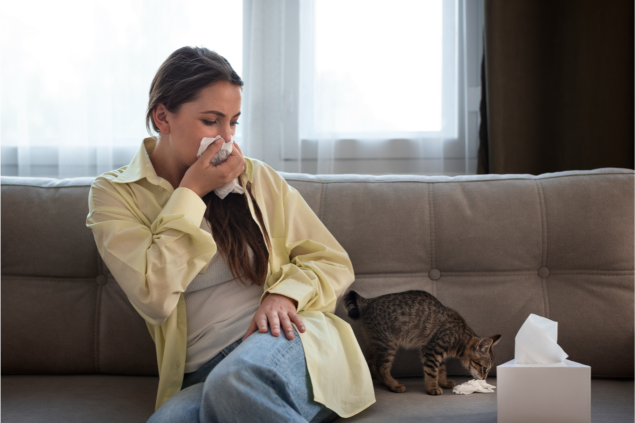
Dust-mite exposure can trigger a variety of symptoms. These typically worsen in the morning or at night, because bedrooms are the primary nesting area.
Common symptoms include:
Sneezing, runny or blocked nose
Itchy or watery eyes
Coughing or wheezing
Post-nasal drip or throat irritation
Facial pressure or headaches
Itchy skin or eczema flare-ups
Severe morning congestion due to dust exposure in bedding
Because these symptoms can overlap with pollen or pet allergies, allergy testing is often recommended.
What You’ll Learn on This Page
Types of Pollen Allergies
Pollen allergies can come from several plant groups. Each group releases pollen during specific seasons, which is why symptoms vary throughout the year. Below you’ll find the main types of pollen that commonly trigger allergic reactions.


Products That Help With Dust Mites
These product categories significantly reduce dust-mite allergens:

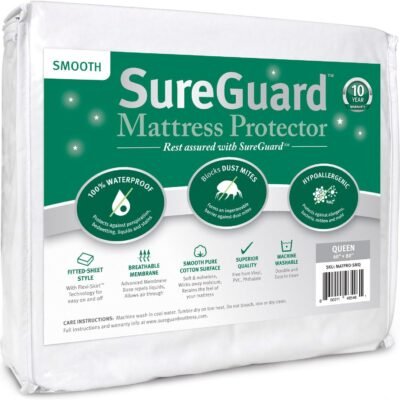
SureGuard Queen Size Mattress Protector – 100% Waterproof, Hypoallergenic
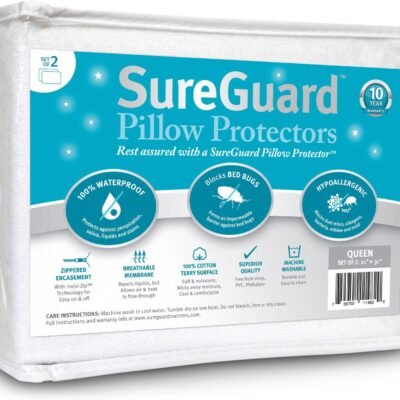
Set of 2 Queen Size SureGuard Pillow Protectors – 100% Waterproof, Bed Bug Proof, Hypoallergenic
- Allergy control productsdust mite allergy productshypoallergenic beddinghypoallergenic mattress covers
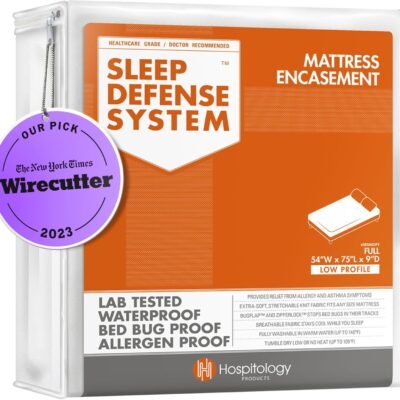
HOSPITOLOGY PRODUCTS Mattress Encasement – Zippered Bed Bug Dust Mite Proof
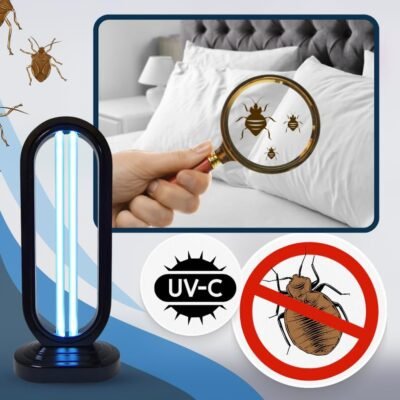
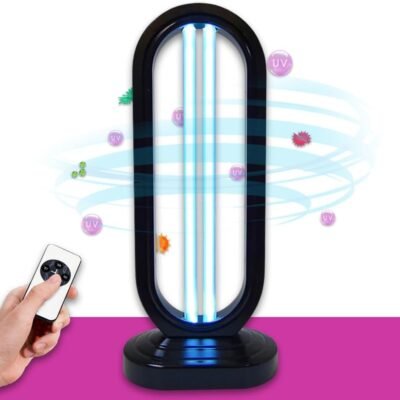
Uvlizer UV Light Sanitizer: Complete Disinfection for a Germ-Free Home
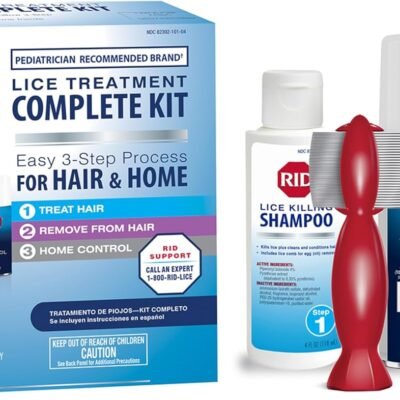
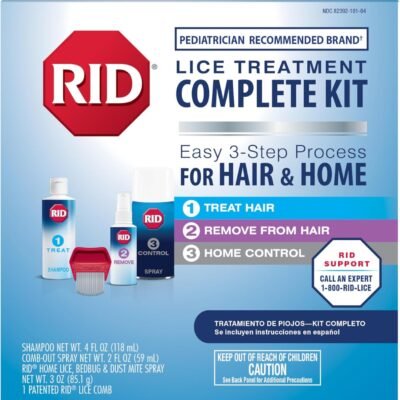
RID Lice Treatment Kit: The Complete Solution for Lice, Bedbugs, and Dust Mites

Related Blogs
- No Comments
- AllergyInControl
- No Comments
- AllergyInControl
FAQ: Common Questions About Pollen Allergies
Can pollen allergies cause fever?
It’s rare. Pollen allergies usually cause allergic rhinitis, a reaction in the nose and eyes, not a true fever. However, severe sinus irritations or secondary infections may raise body temperature.
Can pollen allergies cause a sore throat?
Yes. Post-nasal drip and mucus build-up can irritate the throat, leading to soreness or itchiness.
Can babies have pollen allergies?
Though less common than in older children or adults, babies can develop pollen allergies especially if there is a family history of atopy or if they are exposed to pollen early in life.
Can cats have allergies to pollen?
Animals such as cats (and dogs) can also react to pollen just like humans. Their symptoms may include sneezing, itchy or watery eyes, skin irritation or respiratory signs.
Can dogs have allergies to pollen?
Yes dogs can develop pollen allergies as well. Their symptoms may include sneezing, itchy nose or eyes, skin rash or increased scratching.
Why are pollen allergies worse at night?
Pollen that enters during the day can linger on bedding, clothing or hair. At night, when you’re lying down, inhalation of remaining pollen and post-nasal drip can increase symptoms.
Can you die from pollen allergies?
Almost never. Pollen allergies (hay fever / allergic rhinitis) are typically non-life-threatening. Severe complications are rare; only a systemic allergic reaction (very unlikely with pollen alone) would be life-threaten
Does rain help pollen allergies?
Yes rain can wash pollen out of the air temporarily, reducing exposure. However, after rain pollen can re-disperse, and damp weather can increase mold spores, another allergen.