
We help you control your allergy
Pet allergies
Pet allergies can affect your daily life more than you expect. On this page, you’ll find clear explanations, symptoms, causes, prevention steps, and practical solutions to help you manage pet allergies with confidence.
What Are Pet Allergies?
Pet allergies occur when your immune system misidentifies harmless proteins found in animals like dander (tiny skin flakes), saliva or urine as threats.
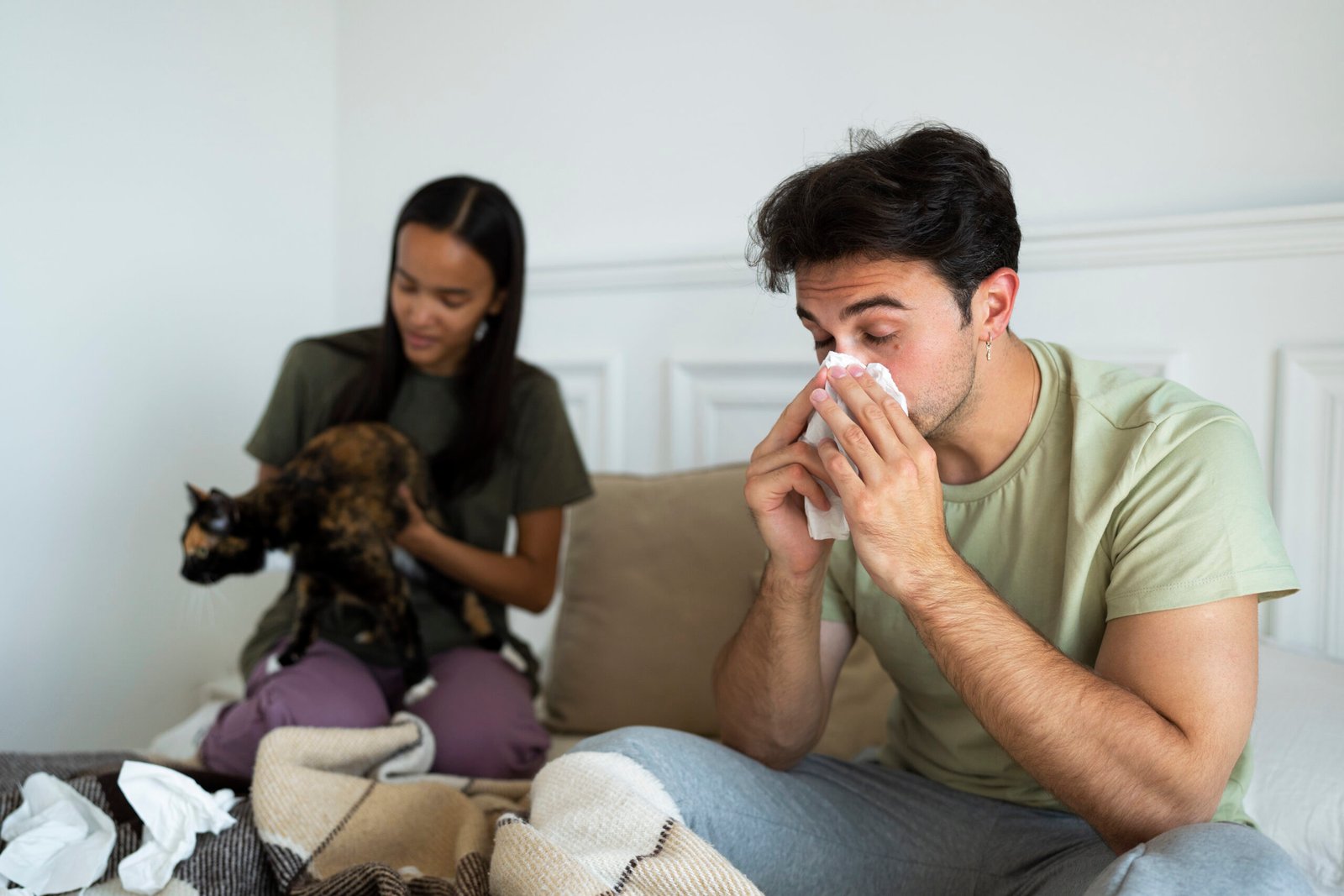
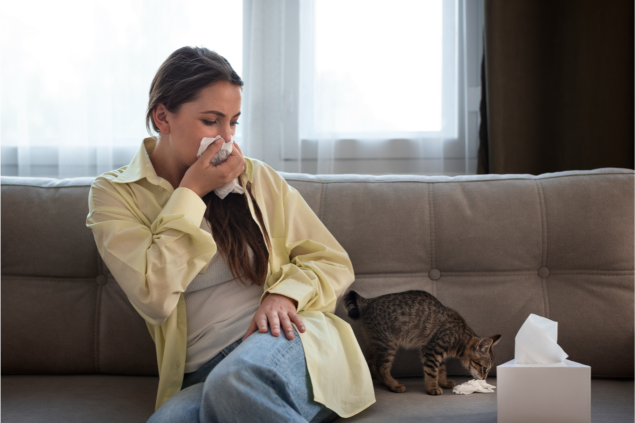
These proteins, especially from cats and dogs, can stay airborne or cling to furniture, clothing and air-ducts long after the pet is out of the room. As a result, you might experience sneezing, itchy eyes, skin irritation or even asthma symptoms when you are near an animaleven if it’s not directly touching you.
Medical Disclaimer
We are not doctors, and this website does not provide medical advice. The information on this site is intended solely to help you understand what allergies are and explore potential approaches to managing them. This content should not be considered medical advice.If you have concerns about allergies or your health, please consult a qualified healthcare professional or specialist. Read more here.
What Causes Pet Allergies?
Pet allergies are triggered when your immune system reacts to typically harmless proteins. These proteins are found in:
Dander: tiny flakes of skin shed by animals.
Saliva: especially from cats and dogs licking or grooming themselves.
Urine: common in rodents, rabbits, some smaller pets.
Facts & context:
Around 10-20% of the population are allergic to cats or dogs; in many cases cat allergies are more common than dog allergies.
Allergens cling to clothing, furniture and ventilation systems and can stay airborne or present for months even after the pet is gone.
Breed or fur length does not guarantee lower allergen levels all animals with hair or feathers produce allergens.
Signs of Pet Allergies (Symptoms)
Symptoms can vary from mild to severe and often show quickly after contact with a pet or an environment containing animal allergens.
Typical signs include:
Sneezing, runny or blocked nose.
Itchy, red or watery eyes and sometimes itchy ears/throat.
Skin reactions: rashes, hives, itchy patches after touching a pet or its bedding.
Respiratory symptoms: wheezing, coughing or worsening of asthma.
Symptoms can appear within minutes or in some cases hours after exposure.
How to Prevent Pet Allergies
While you may not be able to eliminate pet allergens entirely, you can significantly reduce exposure and risk of symptoms. Use these prevention steps:
Create a pet-free zone in your home, ideally the bedroom.
Use a vacuum cleaner with a HEPA filter and clean carpets, upholstery and floors weekly.
Install an air purifier with HEPA filtration in main living areas.
Bathe or groom pets regularly to reduce shed dander and saliva residue.
Wash bedding, curtains and soft furnishings in hot water weekly.
Limit fabrics, rugs and heavy upholstery that trap allergen particles.
Consider pets with less fur, feathers or dander, but know there’s no truly hypoallergenic pet.
What Helps With Pet Allergies
If you already have symptoms, here are management steps and support tools:
Over‐the‐counter antihistamines or nasal sprays can relieve sneezing or congestion.
Luchtreinigers, HEPA vacuums and allergen-blocking bedding covers help reduce allergen load at home.
Allergy testing may identify your specific triggers and allow targeted treatment.
Immunotherapy (allergy shots) may reduce your sensitivity to animal allergens over time.
Consistent cleaning + preventive routines reduce the chance of flare-ups.
Supportive products improve comfort, but consult a healthcare professional if symptoms worsen.
Most Common Pet Allergies
Here’s a list of the most common pets that can trigger allergies:
Cats allergy, the most frequent culprits.
Dogs allergy, also common, slightly less than cats.
Rabbits allergy.
Guinea pigs allergy.
Hamsters, gerbils and other rodents.
Birds (feathers & dander).
Horses (especially via stables or grooming contact).
Ferrets.
Reptiles & amphibians (lower risk but not zero; allergens may come from bedding or substrate).
Cross-contamination: pets carrying pollen, dust or mold into the home can trigger similar allergy reactions.
What You’ll Learn on This Page
Overview of All Pet Allergies
Pet allergies cover a broad spectrum of animals and exposures.


Products That Can Help Manage Food Allergies
While food allergies cannot be cured, many products can help you manage daily life and reduce accidental exposures.
Related Blogs & Articles About Pet allergies
Discover helpful guides, deep-dive articles, and practical tips to better understand pet allergies allergies and how to manage them safely.

- No Comments
- AllergyInControl
Frequently Asked Questions about Pet Allergies
Everything you need to know about managing your allergies
What is the best pet for allergies?
There is no pet that is completely allergy-free. All animals with fur, feathers or dander can produce allergens. Some lower-risk options are fish, reptiles or pets without fur, but you still need diligent cleaning and exposure control.
Do air purifiers help with pet allergies?
Yes air purifiers with true HEPA filters can reduce airborne pet allergens (such as dander) and help lessen symptoms of pet allergies.
Can you develop pet allergies later in life?
Yes you can become allergic to pets at any age, even if you haven’t had problems with animals before.
How to test for pet allergies?
Pet allergy tests typically include a skin-prick test or a blood IgE test plus medical history and symptoms review by an allergist.
Can pet allergies go away?
Typical signs include:
Hives or food allergy rash
Itching or swelling
Stomach pain, nausea, or vomiting
Trouble breathing
Tingling in the mouth
If symptoms consistently occur after eating the same food, speak to an allergist for testing.
Can pet allergies cause headaches?
Indirectly yes pet allergen exposure can lead to nasal congestion or sinus pressure which may trigger headaches, though allergens do not directly cause migraines.
Are “hypoallergenic” pets safe for allergy sufferers?
Not completely, the term “hypoallergenic” is misleading because all animals produce allergenic proteins; some may produce fewer, but none produce none.